
The Bee Cause


The Bee Cause

Plastic Pollution

Active Campaigns

Climate & Energy

Environmental Justice

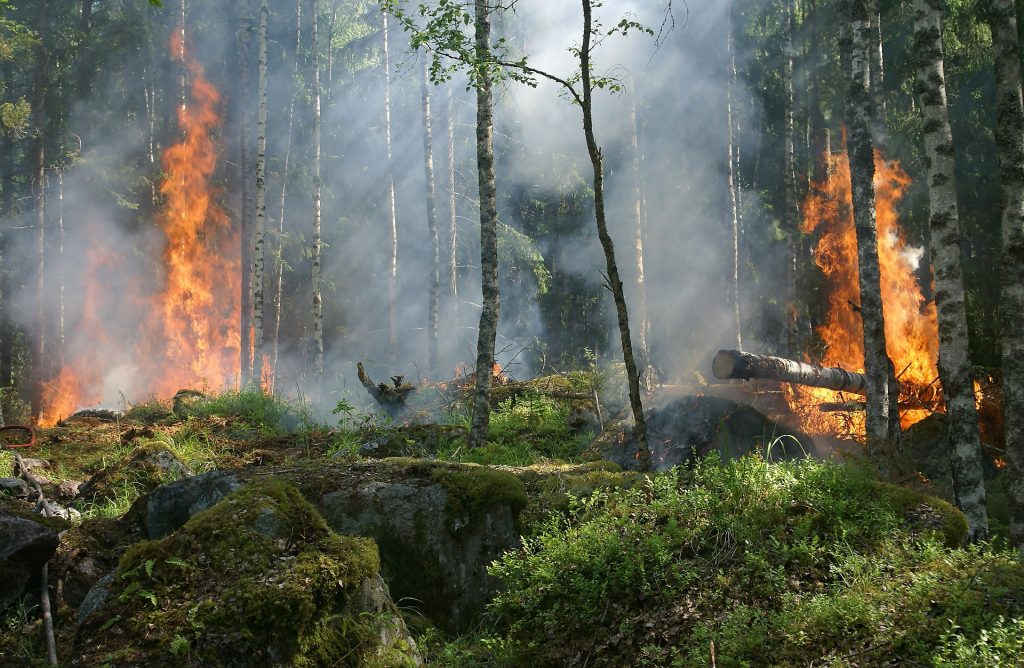
In 2023, a staggering 18.5 million hectares of land burned, destroying homes and causing thousands to flee the flames. It was the worst wildfire year on record in Canada and the hottest year on record globally.
Donate to help Friends of the Earth fight against climate disasters and the polluters responsible for them.
If you’ve experienced catastrophic climate change, please share your stories to help build evidence of harm.
A donation to support Friends of the Earth's climate action campaign will receive a tax creditable receipt.
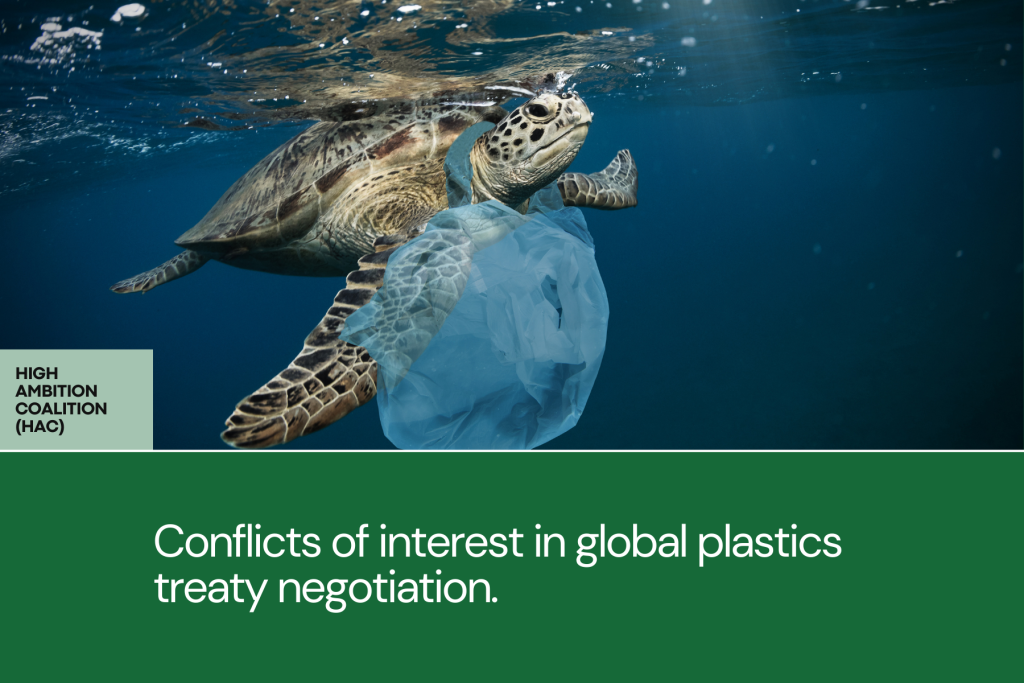
Civil Society Calls for Action on Conflict of Interest at the Global Plastic Pollution Treaty negotiations “Public participation is a human right, and meaningful and active participation is integral to the success of the negotiations of the plastics treaty.” Dear Executive Director Andersen and Secretary Mathur-Filipp, At least 143 fossil fuel and chemical industry lobbyists registered for
UAE in the HAC letter To: High Ambition Coalition co-chairs Tuesday, 16 April 2024 Subject: No Ambition with UAE in the HAC Dear HAC co-chairs, Ahead of the upcoming fourth session of the Intergovernmental Negotiating Committee to advance a plastic treaty (INC-4) in Ottawa, Canada, and following the publication of your Member States Ministerial Statement the undersigned
Did you know you are entitled to know everything about the drugs doctors prescribe and nothing about the pesticides applied to your food? Did you know Health Canada wants to allow residual glyphosate in food at levels higher than allowed in Europe and the United States? If you didn’t it’s likely because of Health Canada’s
All the premiers as well as left and right political parties are teaming up against the government. Why? Because the oil companies pumped up the price of oil so much the Liberal government felt compelled to offer some relief to rural residents still dependent on oil heating until they can install alternatives which the federal
Another eventful year is coming to an end and the work we accomplished would not have been possible without loyal supporters like you. Friends of the Earth is looking forward to making a greater impact in 2024 with your continued support. First, we want to say thank you for being there for our devoted team.
By Jake Cole and Beatrice Olivastri That line from the “Rime of the Ancient Mariner” was written in 1798. That verse may be quite prophetic and more relevant today than ever. Is our water safe to drink today? Maybe not so much. Our water is essential to all life on earth. Yet it is
Today, we learned plastic companies are instructing their employees to participate in the federal government’s consultation on the legally binding Global Plastic Treaty in order to weaken Canada’s negotiating stance on plastic pollution. The only way to prevent industry from succeeding is to overwhelm Environment and Climate Change Canada with Canadians calling for a strong
Toronto, Ont./ Traditional territories of several First Nations including the Williams Treaties First Nations, Huron-Wendat, the Anishnaabeg, Haudenosaunee, Chippewas, and the Mississaugas of the Credit First Nation – Environmental groups welcome today’s announcement from the federal government stating its intention to end the cosmetic use of pesticides on federal lands and strengthen regulation of pesticides. The David
For Immediate Release (05/01/23) (OTTAWA | Traditional, unceded territory of the Algonquin Anishinaabeg People) — New Brunswick MP, Jenica Atwin, and prominent documentary filmmaker, Jennifer Baichwal are calling on Parliament to ban the use of glyphosate, Canada’s most widely-used weed killer. Atwin is presenting a petition – signed by more than 18,000 Canadians and backed
Friends of the Earth Canada, along with more than 400 organizations worldwide, have supported an open letter to UN Secretary General António Guterres and UNFCCC Executive Secretary Simon Stiell, in light of the appointment of oil executive Al Jaber as COP28 president. The full letter can be read below. Date: January 26, 2023 To: António
It is significant that the world has recognized how destructive pollution can be for biodiversity in Target 7 of the new Biodiversity agreement. For the first time, parties have agreed to an explicit objective on pesticides, committing to reduce overall risk from pesticides and highly hazardous chemicals by at least half by 2030. This is
Pollution is a key driver for biodiversity loss and, rightly, is the focus of Target 7 of the Negotiating Draft of the post-2020 Global Biodiversity Framework. Negotiators are now dealing with a proposal to reduce nutrients lost to the environment [by at least half] and pesticides [by at least two-thirds]. These “square brackets” show that
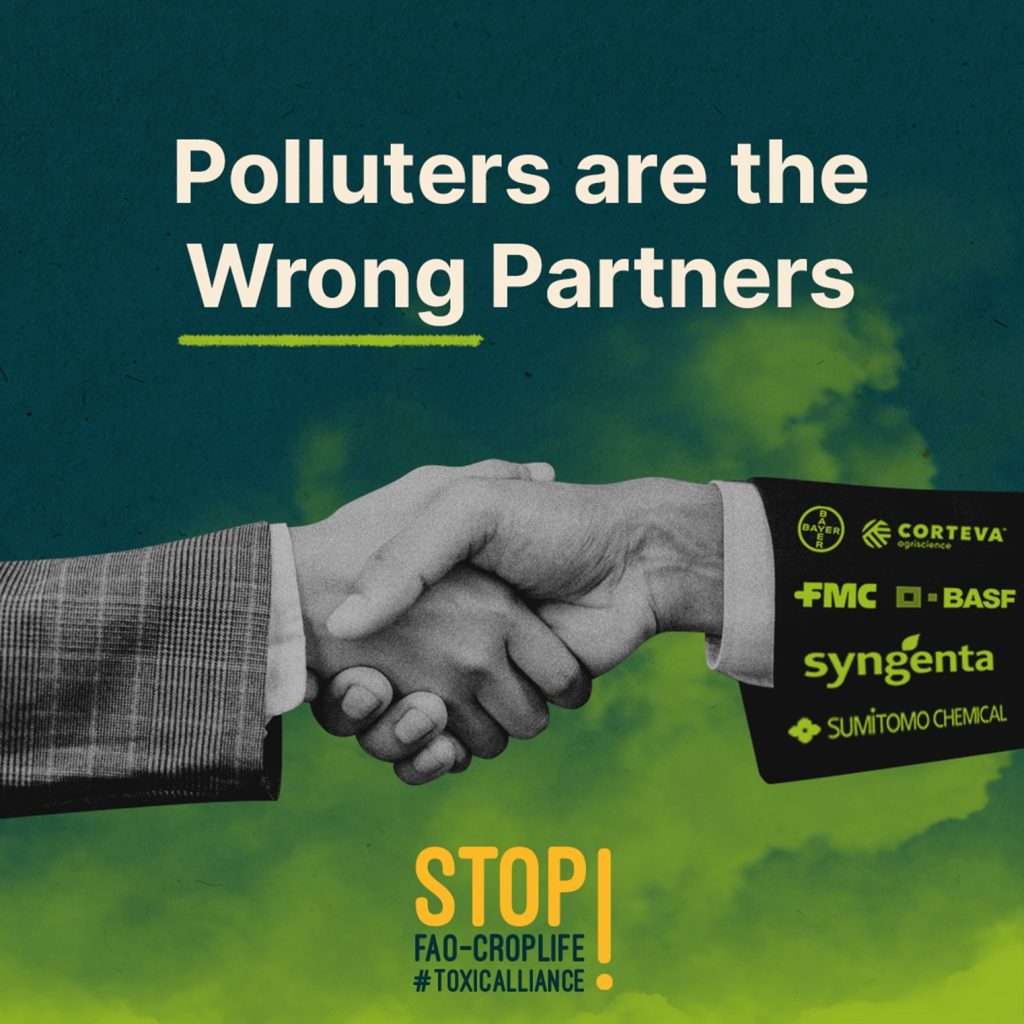
This same week as the start to the UN’s Nature COP in Montreal, the UN’s Food and Agricultural Organization (FAO) Governing Council will be meeting, and we’re calling on FAO leadership to end their indefinite agreement with pesticide industry lobbyists, CropLife International. FAO was created to promote sustainable agriculture, champion biodiversity and protect human health.
Giving Tuesday, November 29, is an antidote to the crass commercial cycle of Black Friday (and the weeks of advertising proceeding it), Small Business Saturday/Sunday and Cyber Monday – consumerism that begets single use plastic pollution and ever more gadgets and stuff. Giving Tuesday creates the space to consider and support the causes that give
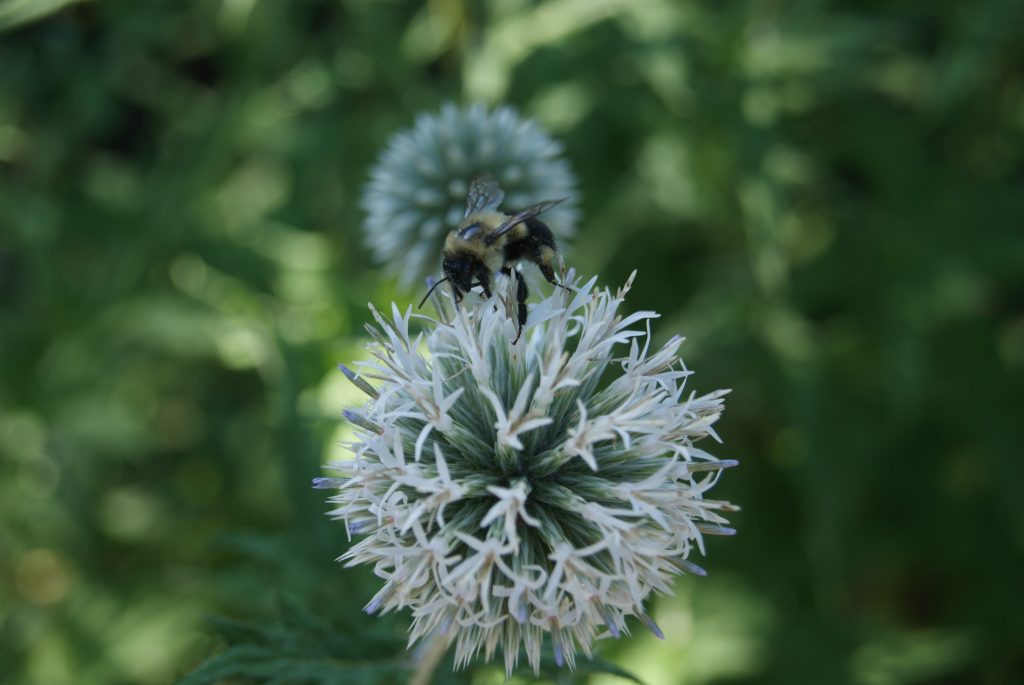
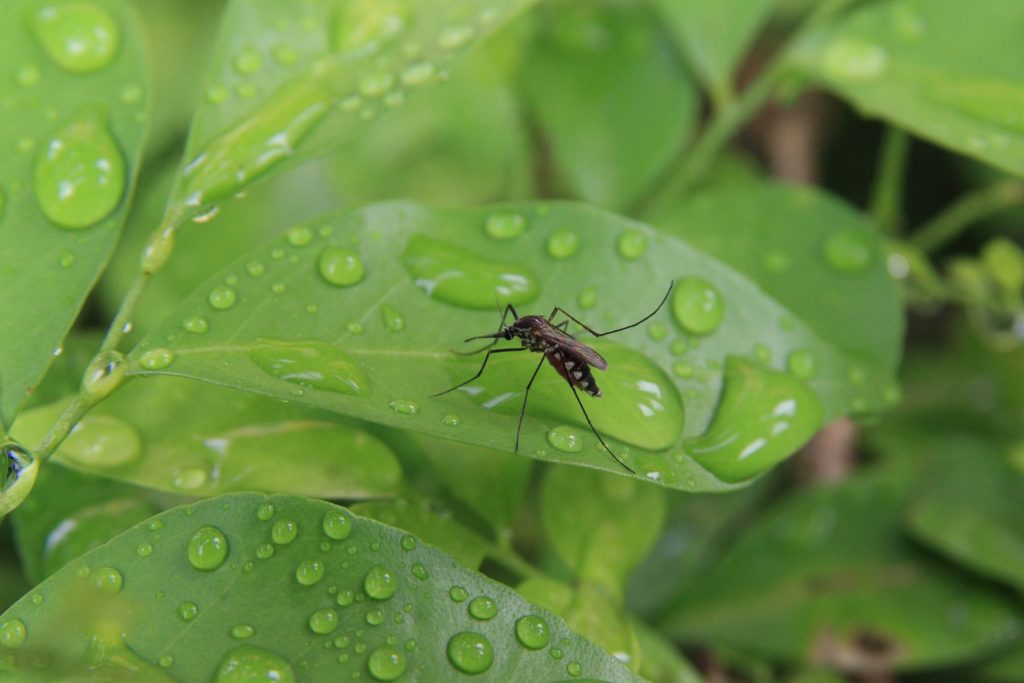
By Beatrice Olivastri and Ian Shanahan. Wild native bees are barely noticed, but they work away like undercover agents in our fields, gardens, forests, and parks. There are more than 4000 species of wild native bees recognized in North America, 20,000 worldwide, and new species are still being discovered. Bees make up a cohort of
The calendar has rolled past another two years to October when CPP Investments gives us 10 days’ notice for the meetings they’re required to hold with their stakeholders (that’s anyone over 18 who invests through their CPP deductions or beneficiaries drawing their pensions). Is it a sign of their arrogance that they publish their 60
Petition Updates will be posted here. Petition e-4127 calling for a ban on glyphosate is closed effective January 13. Thank you to all 18,385 people signing on to the petition. Watch this space for details on presentation of the petition to the Minister of Health in the House of Commons. The Minister will be required
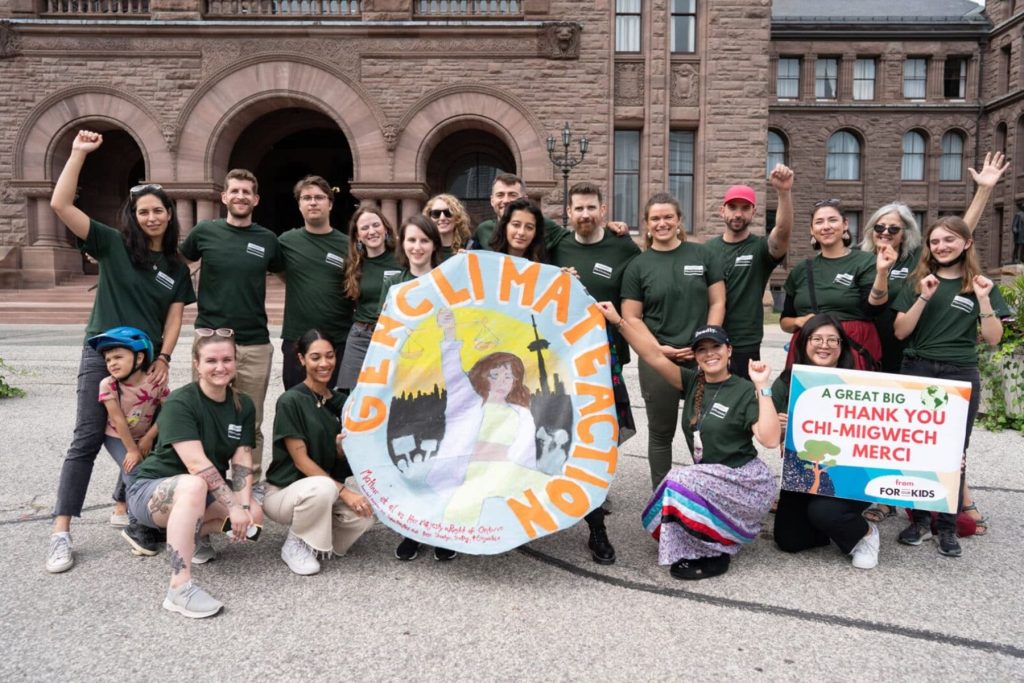
Friends of the Earth Canada has won standing in a historic climate change court challenge. The case known as Mathur et. al. v. Her Majesty in Right of Ontario is the first ever climate Charter case heard by a Canadian court. Seven young people are demanding that Ontario take real action on climate change and
By Beatrice Olivastri, CEO, Friends of the Earth It is wonderful to hear about widespread citizens’ efforts to plant pollinator gardens and corridors. In equal measure, it is disturbing to hear about municipal enforcement of antiquated by-laws that allow enforcement officials to cut down naturalized gardens based on complaints. A case in point is the
Friends of the Earth has been granted intervener status in a historic youth-led climate challenge against the Ontario government. Titled Mathur et. al., the youth applicants allege that the Government of Ontario’s weakening of climate targets will lead to widespread illness and death, and violates Ontarians’ Charter-protected rights to life, liberty, and security of the
It’s taken an enormous amount of work to arrive at the announcement of draft regulations to ban six single-use plastic products. For that work, we say thank you to former ECCC Minister Jonathan Wilkinson, current ECCC Minister Steven Guilbeault, their staff and ECCC scientists. This is an important step towards limiting plastic pollution that pervades the oceans, our rivers
Governments from much of the world are meeting in Glasgow at the UN Climate Conference of the Parties #26. You can watch live streaming of official events at COP26. UK Prime Minister Boris Johnson, host of COP26, boiled down his aspirations for the meeting to “Coal, Cars, Canopy (trees) and Cash.” One Day One of COP 26, Prime Minister
Today and every day we must pay attention to healing, truth and reconciliation. The discovery of unmarked graves of indigenous children who attended residential schools in two of many possible locations is a stark reminder that all settlers across Canada must act on the recommendations of the Truth and Reconciliation Commission of Canada (TRC) and
By Don Huff and Beatrice Olivastri Even in a fast paced, modern society, Christmas can be as full of warmth as a hundred years ago. Our traditions may be updated, but the core of Christmas – spending time with family and friends, reflecting on the year, and taking time to recharge – remains the same.
Written by Caitlin McCloskey Buy Nothing Day takes place November 28th, the day after Black Friday. It’s a day where, you guessed it, you don’t buy anything. Buy Nothing Day started as a response to the buying frenzy of Black Friday and consumer culture that drives the modern holiday season, and, let’s face it, every
Op-ed published by iPolitics on October 15, 2020. Written by Anne Levesque, co-chair of the National Association of Women and the Law and Beatrice Olivastri, CEO of Friends of the Earth Canada. ‘In the recent global fires, floods and droughts, it’s women who have borne the brunt of climate catastrophe.’ It was heartening to see climate
Written by John G. Hollins (1) If language is not used rightly, then what is said is not what is meant. If what is said is not what is meant, then that which ought to be done is left undone. – Confucius The term climate emergency is the political buzz phrase of the year. The
Friends of the Earth supporter, Larry Meikle attended the 2018 previous CPPIB meeting in person. For the 2020 virtual meeting, he’s submitted the following question to the Chairperson of the CPPIB for the 2020 meetings. “The recently released 2020 CPP Investments’ Sustainability Investing report, under ‘Exclusions and Exits’, states: “As a long-term investor, we prefer
We welcome the many expressions of concern stimulated by Friends of the Earth’s expose of corruption at the CPP Investment Board. We want assurances that this will never happen again. The up-coming CPPIB public meetings must address action to weed out corruption internally, provide transparency for all corporate holdings and action on climate damage. You
Written by Sheila Colla I have been looking for this species since 2003 and have only found two individuals, one in 2005 and one in 2009. Both of these bees were at Pinery Provincial Park, ON. These two sole bees are the last known records of this species for Canada, despite annual searches. The Rusty-patched Bumblebee
On March 24th, FOE and National Association of Women and the Law (NAWL) are intervening at the Supreme Court carbon tax case, being appealed by Saskatchewan and Ontario. On behalf of FOE and NAWL, co-counsels Nathalie Chalifour and Anne Levesque, will propose ways that consider the unique circumstances of a prolonged and systemic crisis like
When you’re talking to your candidate for the federal election, ask them what they’re doing to get to zero plastic waste. Every stage in the lifecycle of plastics is responsible for greenhouse gas emissions – extracting and transporting fossil fuels as feedstock, refining, manufacturing of the plastic products, use of the plastic products and waste
It was a phone call out of the blue. “Hi! I’m Jordan, and this was the summer that I changed my life. I just knew it was time to do what I can to address the climate emergency. I’ve change my diet to vegan. And I’m calling to ask if I can link up with
June 3, 2019, Ottawa – As leaders from the Canadian wastewater management sector gather in Ottawa to discuss issues like plastics in water and the impacts and costs associated with “flushable” wipes on municipal sewer systems operations and reliability, Friends of the Earth is releasing its new poll on flushable wipes. With municipal expenditures to
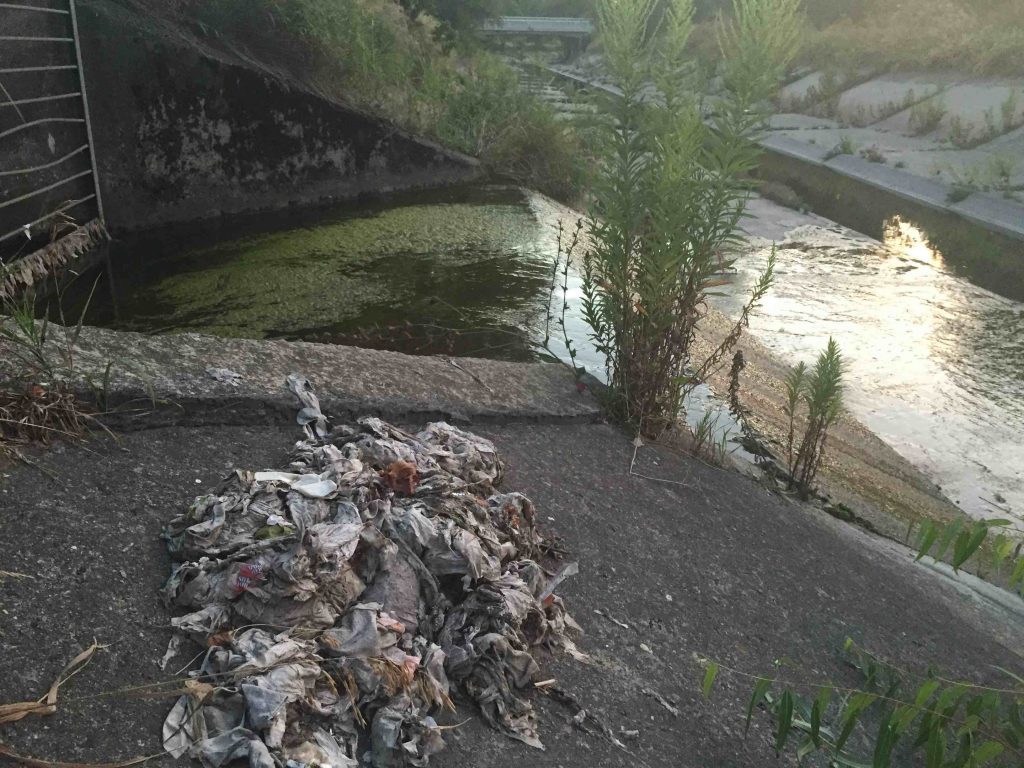
I started research for this new campaign by looking at plastic pollution in our waterways. Especially in spring, I’m sure you see what I do – a huge assortment of society’s cast-offs littering the banks of lakes, rivers, and streams. It didn’t take long to zero in on so-called flushables – many wipes are made,
There is something wrong with Canada’s regulation of pesticides. A year and a half ago Friends of the Earth filed what’s called a Notice of Objection questioning Health Canada decision to re-register glyphosate for 15 years – glyphosate is a key component of Monsanto’s herbicide RoundUp. As usual Health Canada investigated itself, concluded it was
We don’t have years to think about acting on climate change. The Intergovernmental Panel on Climate Change (IPCC) report makes it clear we need action now! Even the US government report just released agrees urgent action is needed. Friends of the Earth is warning that if the CPPIB does not take immediate action, it will
So I know we celebrated when PMRA announced its proposed decision to ban two neonics earlier this month. But we said at the time there’s more work to do. It’s time to push for an immediate ban on imidacloprid, the neonic in longest use in Canada. August 29 is the last day for public input.
It’s summer, and like bees, we are busy! Back in April, Friends of the Earth Canada, with the support of Ecojustice, called on Ontario’s Minister of the Environment to investigate the unlawful, sale of flowering plants containing banned pesticides, including bee-killing neonicotinoids. Samples collected by Friends of the Earth Canada from plants sold at RONA,
Friends of the Earth has joined with other environmental groups across the country to insist that the government fulfill its promise for strong environmental laws. Here’s the situation. Bill C-69 — the omnibus bill covering EA (now called Impact Assessment), the Canadian Energy Regulator Act and the Navigable Waters Act — has gone to committee and witnesses
Spring has sprung and, in my home town, Chatham, Ontario, that means the yard sale circuit gets underway. I have wonderful memories of taking my mother and father out for a drive in the spring. Whether heading out to Lake Erie or just around town, Mom always checked out how the trees had survived the
Today, Friends of the Earth Canada filed evidence (from our 2017 flower testing results) to the Environmental Commissioner of Ontario to begin investigation of RONA, Canadian Tire and Home Depot for selling gardeners plants containing harmful, banned cosmetic pesticides, namely boscalid, imidacloprid, pyraclostrobin napropamide, and spinosad. These corporations and their directors could be fined millions of dollars. Here’s
After 11 years of campaigning for greater corporate accountability, the CNCA is encouraged by the federal government’s creation of a human rights ombudsperson regarding the overseas operations of Canadian companies. Across the country, our member organizations, allies, and grassroots activists have kept this issue on the political agenda through sustained engagement with their members of
As the head of Friends of the Earth in Canada, Bea Olivastri, is often asked around this time of year about the most important things someone can do to help protect people and the planet. Bee health is the issue closest to my heart. We know that Canadians are very concerned about the welfare of
What if you could make a difference to the fate of the bees while giving university students unique experience for their resumes? And what if you could do this tax-effectively while planning for your own future needs? If you work with a financial planner, she or he should be able to advise you on tax-effective
Canada has a long history of polluter pays decisions. The precedent setting case for polluter pays in Canada occurred in 1994 in a Supreme Court of Canada (SCC) case, in which Friends of the Earth intervened represented by Ecojustice. Imperial Oil had appealed to the SCC a clean up order for contamination on their 1918 refinery
“Follow the money” is a catch phrase popularized by “All the President’s Men”. It was “Deep Throat’s” advice on how to unravel President Nixon’s web of corruption. It’s also good advice in understanding why 30 years of talking about climate change has resulted in so little action. Government and industry say good things while subsidizing
By Mireille Gauthier | Research assistant at Friends of the Earth The Great Canadian Bumble Bee Count offers educational material to help people learn about our 40+ species of bumble bees and submit their photos and observations as part of our census. By spending time in gardens, fields, forests and parks looking for bumble bees
I like to celebrate anniversaries, but this anniversary is nothing to celebrate. Exactly one year ago today, Friends of the Earth and three other environmental organizations, represented by Ecojustice lawyers, headed to court in a bid to protect pollinators from two bee-toxic pesticides. Our lawsuit argues that the Pest Management Regulatory Agency (PMRA) failed to
Consider 21st century life dull and alienating? Don’t fret: we’ve got a solution that will reconnect you with nature and stimulate your stunted attention span! Around the world, the United Nations is calling on people everywhere to connect with nature. Here in Canada, we have a world of possibilities. Friends of the Earth recommends three
On the afternoon of May 8th, 2017, Environmental Commissioner of Ontario, Dianne Saxe, visited Ottawa’s Fletcher Wildlife Garden, where we accompanied her and the Fletcher staff on a tour of the surrounding yards. Take a look at some of the moments of our tour with the Environmental Commissioner below:
This Earth Day (April 22), I’m looking for friends – friends of the Earth, that is – who share my passion to save the bees. Here’s why… Back during the first Earth Day in 1970, I was finishing up high school and taking Rachel Carson’s Silent Spring to heart. It described how DDT entered the
You want to help save the bees? Guess who is waiting for you in your garden – and it’s not me, Bea! You might have leaf-cutters, mining bees, bumblebees or sweat bees and lots more. These are wild, native bees, and there are over 825 species in Canada that need your help! Leave the hives to
For immediate release (update) March 6, 2017 Version française 11th-hour invitation to testify issued to coalition of NGOs pressing government to proceed with proposed phase-out to protect biodiversity and long-term food security OTTAWA – Leading environmental groups, health advocates and campaign movements are raising concerns about MPs’ one-sided review of the proposed phase-out of pesticides formulated
Pour publication immédiate 6 mars 2017 English version Une coalition d’ONG qui demande l’interdiction des néonicotinoïdes pour protéger la biodiversité et la sécurité alimentaire à long terme invitée à participer à la toute dernière minute Ottawa, le 6 mars 2017 — Les principaux groupes environnementaux, des défenseurs de la santé et des mouvements de mobilisation
Ottawa, February 24 – Friends of the Earth Canada is raising serious questions about the environmental implications of the proposed federal “Clean Fuel Standard”. In a discussion paper the group released today, they identify significant gaps in the scientific knowledge needed before deciding to increase the amount of biofuel produced in Canada. “Greenhouse gas reductions
Last November, Health Canada announced its intention to ban the use of Bayer’s imidacloprid, one of the world’s most widely used neonicotinoid pesticides. We think this could be an important Canadian win on the world stage – after four years of campaigning, we can almost taste victory. BUT: Our excitement was muted by the
We took a big step in a new direction in 2016 when we decided to redirect the Canada Pension Plan’s $300 billion fund away from climate change inducing investments. Winning this campaign could be the single most important advance in Canada’s fight against climate change. Your contribution can help make it happen. With your voice,
Ottawa, December 9th, 2016 The Pan-Canadian Framework on Clean Growth and Climate Change announced today is an historic step in the fight to combat climate change. All Canadians should rejoice in finally coming together on the most critical issue of our time. Yes, the framework has flaws and fossil fuels will continue to dominate the
(but then we have to get back to work because they’re not safe yet) It’s been quite a year in Canada for action on bee killing pesticides. And with the US EPA poised to be gutted by the new US administration, we’d better keep working hard to insist on enough scientific capacity in the federal
There is no compromising with climate change. All the science tells us fossil fuels must be phased out without delay. The federal government failed to live up to its commitment to act on climate change by approving the Kinder Morgan and Enbridge Line 3 bitumen pipelines. Both pipelines will facilitate the further production of fossil
Concern for food quality, how it’s produced and where it’s produced has never been greater. Canadians recognize the value of healthy food and the significant impacts its production has on the environment, climate change and local economies. We also recognize that agri-industry is responsible for significant environmental and social impacts – for example, that of
Join us in demanding Health Minister Philpott take immediate steps to fix pesticide regulation in Canada! This is a story of an arrogant government agency more dedicated to helping pesticide manufacturers to profit than doing its job to protect human health and the environment. It’s a story that will make you angry. It proves
If you care about safe food, make time to connect with the International Monsanto Tribunal this weekend. Then, read about Monsanto’s lobbying and consider how your food is affected by Roundup, the most commonly sold pesticide in the world. There’s a line up of hard hitting and heart breaking testimony scheduled for the International Monsanto
On Wednesday, we told you that Duke Energy is an environmental and financial liability. Yesterday, one of Duke’s cooling damns breached. Isn’t it time that the Canada Pension Plan got our money out of the company? If you haven’t sent your letter to CEO & President Mark Machin yet, please do it now! We took
As Thanksgiving is upon us, why not say a fervent thank you for all the good things bees do for us as they pollinate food and flowers, shrubs and trees. You know pollinators need our help now – challenged by habitat loss, climate change, pesticides and introduced diseases, they are in decline even as we
In a letter presented to Pope Francis this week, the organizations ask the Pope to be a patron for all environmental defenders who risk their lives by intimately caring about, and fighting for the preservation of nature, our common home. The signatories are concerned with the increase in violence against environmental defenders. Every week, three
Friends of the Earth Canada is proud to join with our colleagues as organizations committed to upholding human rights, environmental protection, and fostering equitable and sustainable economic development. To recognize that there are significant challenges associated with resource extraction in developing countries, we call on the Government of Canada to ensure that people harmed by the
We are thrilled that Matt & Nat have selected Friends of the Earth Canada’s Let It Bee campaign to be featured in their 2016 Hope Charity Bag campaign. Upon purchasing one of these beautiful, vegan handbags, you can choose Friends of the Earth Canada as the recipient of the full purchase price to support our work
Did you know Canada has a Chief Actuary? We do and it’s his job to check the math of all the complicated financial schemes of the government. So, who better to make sure the Canada Pension Plan is protected from climate change risk? And, it turns out the Chief Actuary is doing a report
Enough is enough. With your help we’re heading to court to get bee killing pesticides off the market. We have asked nicely, presented scientific evidence, signed petitions even elected a new government, but politicians and bureaucrats in Ottawa have done nothing. You know the story – research findings clearly link it with immediate bee deaths
A lot has changed since we wrote the previous federal Environment Minister about her duty to act to protect four at-risk wild bees. Friends of the Earth and four other environmental groups, represented by Ecojustice, pointed out to the then Minister that she routinely failed to list species for protection under the Species at
We’re asking you to show your love for bees this Valentine’s Day by sending Canada’s Beekeeper-in-Chief (a.k.a. Minister Catherine McKenna) this Valentine’s Day e-card. Help us in this great warm and fuzzy ask (like the bumble bees themselves) to a new government committed to restoring the rightful place of science and scientists in decision-making. Join
Our campaign to save the bees, The Bee Cause, is picking up momentum. All the effort you and I have put in is starting to pay off. I want to thank you warmly for your continuing support of this work. Last fall I told you the Environment Commissioner (CESD) was auditing the Pest Management Regulatory
Every year, millions of honey and native bees and untold number of other insect pollinators are killed by pesticides used on seeds for corn, soybeans, sunflowers, fruits and other crops. Hi, I’m Friends of the Earth Canada’s CEO, Bea Olivastri, and I’m asking you to make a New Year’s resolution to do three
Considering the contents of the Paris Agreement triggers mixed emotions. I’m glad, sad and mad all at the same time. Glad that 195 countries could reach an agreement that signals the end of our use of fossil fuels and commits them to reduce greenhouse gas emissions. And, I’m glad that Canada has moved from obstruction
Paris. Day 12. The final draft text was released at 9pm Thursday night and exhausted negotiators are discussing it today, Friday, with the goal of releasing a final text tomorrow. Twelve days and nights of complex negotiations have not strengthened the original text but weakened it. It started off ambitiously. World leaders came to Paris
Reflections from Paris at the Conference of the Parties on climate change. Two days before the final text of the agreement of the climate convention is to be released. Ministers in charge of climate change have been discussing the text since yesterday Monday December 7 and aim to wind up by Friday night at the
Friends of the Earth stands for a sustainable world of justice and peace, where people live in dignity and enjoy freedom of expression and conduct their lives with respect for future generations and the environment and kindness towards strangers and refugees. To fulfill this vision of our world, we need not succumb to fear
Think about our daily habits and you can’t escape the fact that bees are an important part of our lives. Morning coffee and tea, honey on toast, an apple in our child’s lunch, mid-day snacking on almonds or grapes, a cranberry martini after work or apple pie for dessert at a dinner party. Our holidays
Here’s a special thanks to Sam, Chayse, Jocelyn, Matthew, Tyler, Ryan, Sydney, Hailey, Ronni, Dani, Michaela, and Owen – last year’s Grade Six students at Eastview Public School in Oakville, Ontario There are many reasons to give thanks this year as Thanksgiving rolls around. Friends of the Earth Canada has a lot of wonderful people
There’s one thing that Mother Nature hasn’t yet wreaked havoc with and that’s bringing the cooler comfortable temperatures for fall, like clockwork. You unpack that sweater from the bottom drawer and think about dragging out your summer stowaway bins from the basement. On second thought, maybe Indian summer is around the corner? Unlike us, bees
Canada’s commander in chief for the environment has forgotten the tiny, stalwart creatures that serve us every day to ensure a secure food supply – four species of wild bees that urgently need protection and rescue plans. In the military world, “missing in action” is taken seriously. Personnel may be killed, wounded, or taken a
Beatrice Olivastri, CEO, Friends of the Earth Canada’s said: “There’s a fox in the chicken coop and the fox is the pesticide manufacturers reaping huge profits from farmers. It does appear there’s virtually no benefit but vast hazards to our environment from neonicotinoids. If the Canadian government can’t get its act together to do its
On behalf of Friends of the Earth and our bee friends, I want to congratulate RONA on its commitment and performance to reduce the use of neonicotinoids in its nursery plants. Last year, Friends of the Earth tested flowering plants meant to be “bee-friendly” in 18 cities in North America. Over 50% of the flowering
Guest Post: Nancy Goucher The protection and restoration of the Great Lakes needs to be a top priority for the province. That’s why a group of forty tourist, health, faith-based and environmental organizations (including Enviornmental Defence) sent a joint submission to the province asking for quick passage of the Great Lakes Protection Act. Whether you
On March 9, 2015, MPP Marie- France Lalonde introduced a private member’s bill to ban the manufacture and use of microbeads in products in Ontario. The Microbead Elimination and Monitoring Act would prohibit the manufacture of microbeads and the addition of microbeads to cosmetic and household products, while ensuring an analysis and examination of the
Yesterday, Friends of the Earth Canada, in collaboration with a number of other organizations, sent a letter and report to all Ontario MPP’s in support of Ontario’s proposed plan to reduce the use of neonicotinoid pesticides by 80% on coated corn and soy seed within the province. The report outlined the five major reasons we
I greet the spring with great enthusiasm – now, we can change our boots for running shoes, and put away our scarves and mitts. However- along with the melting snow comes the signs of our addiction to road salt. A dirty grey crust of salt is visible on boots, cars and trucks, sidewalks, parking garages
In 2013, the European Commission placed a two-year moratorium on the use of three neonicotinoid insecticides (clothianidin, imidacloprid and thiametoxam) after a growing body of scientific research demonstrated their potential to harm honeybees and wild bees. Given the importance of bees in the ecosystem and the food chain, the EU decided to follow a precautionary
Friends of the Earth welcomes Ontario’s plan to engage its citizens in determining best steps to build a new, clean, low carbon economy. While Ontario citizens are among the largest per capita emitters of greenhouse gases in the world, we know they can and have already embraced significant steps to reduce ghgs. It’s the right
By Gideon Forman and Beatrice Olivastri Back in November, the Ontario government signaled its intention to reduce the use of “neonic” pesticides on corn and soy seed by 80% by 2017. A prime motivator for the proposal was a new analysis from the Task Force on Systemic Pesticides—a group of 29 independent scientists from around
What does it mean when people of every political persuasion feel that the government of the day is on the right track in limiting the use of neonics by 80% in treated corn and soy seed in an effort to save bees? Of those who would vote Liberal today, 85% think that the government is
December 12, 2014 Ana Isla and Terisa Turner What is happening in the Conference of the Parties at Lima Peru? Corporations and governments are interested in reducing greenhouse gas emissions. However this reduction is, for them, problematic. Recent science shows that rather than providing real emissions reductions all programs that are presented as means for
In a North American first, the Ontario government has introduced their plan to permanently reduce use of systemic neurotoxin pesticides by 80% by 2017. They’ve picked the biggest opportunity in Ontario to make change to protect pollinator health. Of the almost seven million acres of field crops planted each year in Ontario, the two largest
On October 29, 2014, demonstrators in Ottawa, Ontario and Windsor, Ontario swarmed Lowe’s stores to send the retailer a strong message: its time to remove plants and seeds treated with bee-harming pesticides from your shelves! Despite science showing that plants and seeds treated with neonicotinoid pesticides are contributing to a decline in bee populations, and other retailers across North America
Sometime in the next three days, you may find yourself face to face with a bumble bee, a witch, a skeleton or some other spooky Halloween creature that’s asking you and your employer to do your part to save the bees. In the lead-up to Halloween 2014, Friends of the Earth and millions of its
The proposed regulation for the aquaculture industry misses the mark by a mile (well, a kilometre) – and what is the mark you may well ask? The Minister of Fisheries and Oceans has a duty to protect wild fish, fish habitat and Canadian fisheries waters from the negative impact of aquaculture. Why is she abdicating
Are You Getting Ready to Put Your Garden to Bed for the Winter? Kimberley Fellows, Pollination Outreach Co-ordinator for Pollination Canada, a project of Seeds of Diversity, was kind enough to contribute the following guest blog post on preparing your garden for winter. Kimberley shares some tips to keep in mind to keep your soil and
In a move for transparency, Ontario Premier Kathleen Wynne has made public her mandate letters to the ministers of her cabinet. In this blog post, we are cherry picking points from her letters related to pollinator health. Among her opening statements she says, “The people of Ontario have entrusted their government to be a force for good,” and
The race to Paris and a binding agreement to reduce greenhouse gas emissions is off to a stellar start – last week 400,000 people joined the People’s Climate March in New York, and hundreds of thousands more in 156 countries took to the streets, joining the largest and most powerful climate demonstration in global history. Friends
Whether you find yourself relaxing on a dock, beach or hammock this summer, we suggest picking up one of these books to enjoy as you unwind. The first two books we have selected are on the topic of bees, to keep with Friends of the Earth’s major campaign focus this summer. A Sting in the Tale,
Friends of the Earth would not be able to accomplish what we have without our dedicated volunteers, working to help us stand on guard for Mother Nature. Take a look at the Sudbury Earthdancers, who have chosen Friends of the Earth Canada as a beneficiary to their annual performances for the past nineteen years!
Prince Edward County took a step that all communities can take. They passed a resolution asking the federal and provincial governments to declare a moratorium on the use of neonicotinoid pesticides as soon as possible pending further study. While they are very clear that agriculture is the foundation of their municipality, they also state the
The news for honey bees is grim. Again. The Canadian Association of Professional Apiculturists (CAPA) delivered their national report on winter-kill of honey bees. Ontario’s loss at 58 %, a jaw-dropping number, is homogenized into the average for the country at 25% – still considered high when compared to the “acceptable” winter losses considered to
Last week, I applauded Ontario’s Agriculture Minister Jeff Leal for his decision to restrict the use of neoniotinoids on farmers’ fields. To be clear, I would prefer an outright ban, but this is an important and pragmatic step to substantially reduce use of these bee-killing pesticides and shows leadership on the North American stage. According
If Ontario’s newly minted Minister of Environment and Climate Change, Glen Murray, needed a road map for priority action, it was delivered with pizzaz yesterday by the Environmental Commissioner of Ontario, Gord Miller. The Commissioner is required under the Environmental Bill of Rights to prepare an independent annual report on Ontario’s progress on reducing greenhouse
Congratulations to Agriculture Minister Jeff Leal – he’s fast out of the gate on the Government’s election promise to restrict use of neonicotinoids. Friends of the Earth is pleased to see Ontario move on neonics. The Minister is planning a licensing system to be in place by Fall 2014 that limits the blanket use of
On March 17, 2014, Friends of the Earth Canada sent letters to the four biggest garden centre retailers in Canada, asking them to: Commit to not sell nursery bedding plants and vegetable plants pre-treated with neonicotinoids Institute a corporate policy that bans use of neonics on and in their facilities and throughout their supply chain,
Guest Post: Heather Menzies Walking the land of my ancestors helped me remember that we live in nature, even as we turn on the tap for a drink of water in a high-rise apartment, or hang a planter full of marigolds and salvia in the backyard of our suburban home. Walking the land that they
Did you enjoy your garden in bloom over the Canada Day holiday? Did you plant your garden to provide habitat for bees and other pollinators? Now you might look at those blooms with new eyes. Friends of the Earth tested nursery plants in 18 cities in North America and found Neonicotinoid pesticides (neonic) in more
New study shows that more than half of “bee-friendly” home garden plants sold at garden centres in Canada contain bee-killing pesticides! Gardeners Beware 2014, released by Friends of the Earth Canada, Friends of the Earth U.S. and the Pesticide Research Institute (PRI) has found that more than half of garden plants sampled in the U.S and Canada contain levels of neonicotinoid
It’s an article of faith that a few caring people can change the world. That you or I can make a difference. But when it comes to gardening, we’re being hoodwinked. By now, we’re all familiar with the havoc wreaked upon bees and other pollinators by a class of pesticide called neonicotinoids. We know the
The bees, birds and butterflies need your help! Bee losses have been linked to multiple factors, including varroa mite infestations, pathogens, malnutrition, habitat degradation, and the overuse of bee-killing pesticides such as neonicotinoids. Two-thirds of the food crops we eat every day require bees and other pollinators to successfully produce a crop. So it is
“After the 2012 bee deaths, PMRA instituted measures that have been ineffective given a comparable scale of bee deaths in 2013. Friends of the Earth views the measures proposed in this Notice of Intent to be similarly inadequate to the scale and gravity of the danger posed by neonicotinoids to managed and wild bees.” Friends
Friends of the Earth Canada is hosting Professor Dave Goulson in Toronto, Ontario, November 12-14.
Friends of the Earth Canada has received a brown envelope delivery of data showing neonicotinoid residue analysis for 2013 compared to 2012. Dated August 27, 2013, it shows residue in dead bees, affected bees, their pollen, honey, water, soil and vegetation. If this is the update for 2013, the bee carnage continues. “If this is
Ontario’s Endangered Species Act is a key law that protects the province’s endangered wildlife and habitat. The law is one of the best in the country. When corporations plan a project that affects species at risk, they must obtain a permit. The industry or developer must come up with a plan that protects endangered species. The company must comply with the terms of the permit, and the environmental impacts are monitored.
Farmers across Canada have been dealing with changing weather patterns in recent years. From droughts and floods in the Prairies to storms and blights in the Maritimes, people who rely on the land to make a living are suddenly being forced to adapt.
Friends of the Earth thanks Gord Miller, Ontario’s Environmental Commissioner for his timely report — Losing Touch — in which he says the Environmental Bill of Rights (EBR) is one of the most significant environmental laws of our time. Friends of the Earth has lauded Ontario as the most progressive jurisdiction in Canada in its provision of environmental rights under the EBR based on our analysis of environmental rights across Canada (“Standing On Guard,” 2009). However, today, the Environmental Commissioner said, “I am astounded by the level of disregard and contempt being shown to the statutory requirement of the Environmental Bill of Rights… Senior members of the Ontario Public Service are ignoring their responsibility to support and implement the will of the Legislative Assembly.”
On June 19, Friends of the Earth (FoE) released a report critiquing the corporate capture of the United Nations. Corporate capture means that governments are not doing their job and that they have become advocates for the corporate agenda. Popular movements have risen to the occasion in a re-energized drive to democratize the political process and take back control over our lives and nature.
By my calculation, by the time Canada’s withdrawal kicks in one year from now, we will have had commitments under the Kyoto Protocol for five years less 19 days. Professor Nigel Bankes from the Faculty of Law at University of Calgary reviews law pertaining to withdrawal from an international environmental agreement in his blog.
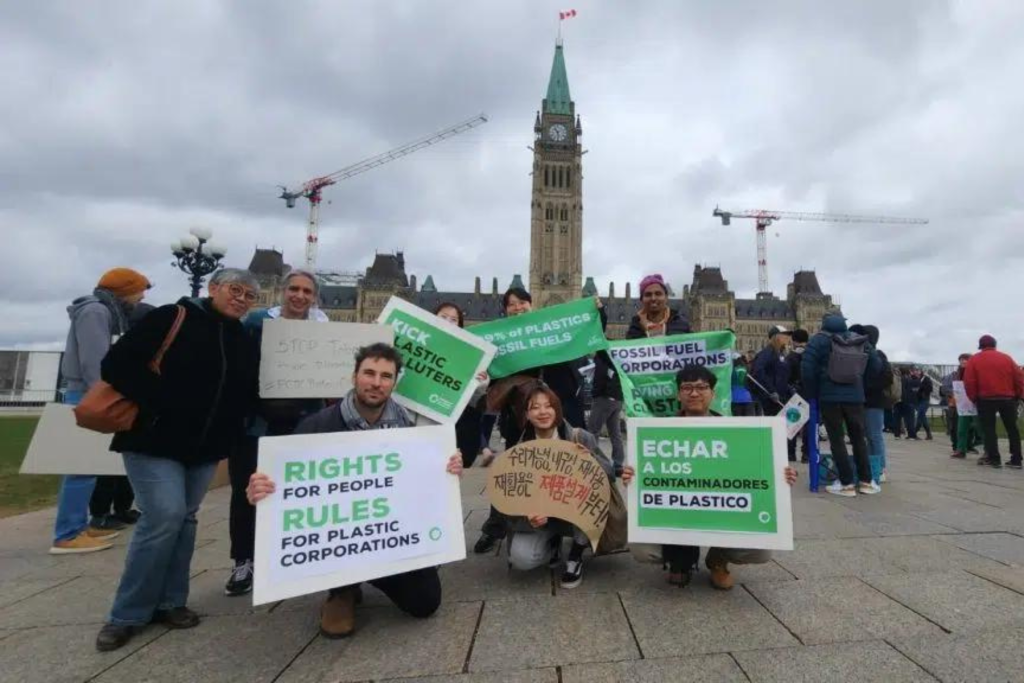
Media Release from FOE International: Kicking out polluters key to progress at negotiations for a first-ever global Plastics Treaty Tuesday 23 April 2024, Ottawa (Canada) – As delegates gather this week to make headway on what many hope will be an ambitious legally-binding plastics treaty, civil society groups including Friends of the Earth International are pushing
When will Canada act? February 12, 2024 (Ottawa) Dental amalgam (inaccurately called “silver fillings”) is approximately 50% mercury — a neurotoxin and reproductive toxin. The European Union has already banned the use of amalgam in children, pregnant women, and nursing mothers in a regulation that went into effect in 2018. The 2018 measure
The sudden cancellation last week of the first small nuclear reactor project in the United States, the NuScale project, calls into question the economic viability of Canada’s plans to develop and deploy small modular reactors. Potential customers in Utah balked at the soaring projections for the cost of electricity the NuScale reactor would generate, and the project was unable to
Environmental groups call for a ban on releasing GMOs into the wild Halifax, Ottawa, Sutton, November 8, 2023 – Today, the Council of Canadian Academies (CCA) released an Expert Panel report commissioned by the Pesticide Management Regulatory Agency of Health Canada on the regulation of genetically engineering (genetically modified or GM) insects for pest control.
Toronto, Ont./ Traditional territories of several First Nations including the Williams Treaties First Nations, Huron-Wendat, the Anishnaabeg, Haudenosaunee, Chippewas, and the Mississaugas of the Credit First Nation — Twelve Indigenous, environmental, health, and civil society groups have been granted intervenor status in the appeal of a historic youth-led Charter case on climate change. Sophia, Zoe, Shaelyn,
For Immediate Release Environmental and food safety groups, scientists and filmmakers call for immediate ban of glyphosate October 26, 2023 (Ottawa) A major study on glyphosate, the world’s most used herbicide, found in food, water and humans, has been linked to early leukaemia deaths. This finding comes as environmental and food safety groups take
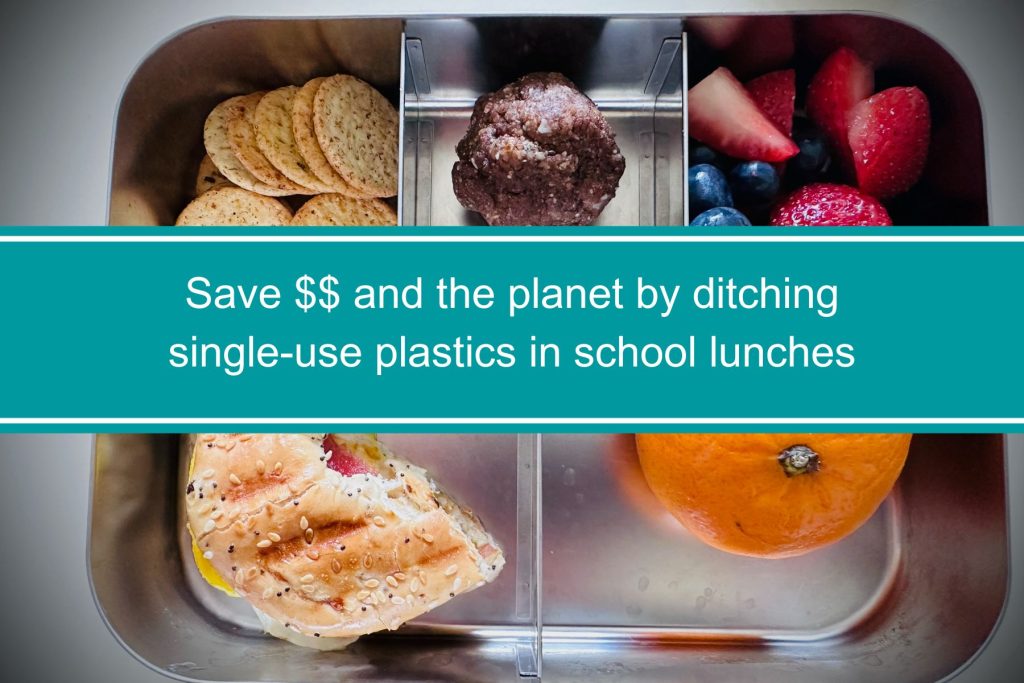
Maya’s Eco-Mission: 11-Year-Old Star Takes on School Lunch Waste! Ottawa, October 2, 2023 – Friends of the Earth’s 11-year old Plastics Campaigner, Maya, is calling on students, parents, and teachers to join her in getting rid of single-use plastics in school lunches. Canadian families could save more than $527 million over the school year by
FOR IMMEDIATE RELEASE Doctors and environmental groups urge federal government to act on truck pollution OTTAWA/TRADITIONAL, UNCEDED TERRITORY OF THE ALGONQUIN ANISHNAABEG PEOPLE – Smoke from wildfires is not the only source of air pollution threatening the health of Canadians. According to Health Canada, diesel emissions in major cities and along transportation corridors are a
Toronto, Ont./ Traditional territories of several First Nations including the Williams Treaties First Nations, Huron-Wendat, the Anishnaabeg, Haudenosaunee, Chippewas, and the Mississaugas of the Credit First Nation – Environmental groups welcome today’s announcement from the federal government stating its intention to end the cosmetic use of pesticides on federal lands and strengthen regulation of pesticides. The David
For Immediate Release (05/01/23) (OTTAWA | Traditional, unceded territory of the Algonquin Anishinaabeg People) — New Brunswick MP, Jenica Atwin, and prominent documentary filmmaker, Jennifer Baichwal are calling on Parliament to ban the use of glyphosate, Canada’s most widely-used weed killer. Atwin is presenting a petition – signed by more than 18,000 Canadians and backed
For Immediate Release – April 18, 2023 Intervenor Friends of the Earth finds important gains despite dismissal (Ottawa) Canada’s courts are a step closer to legally recognizing governments’ duty to protect Canadians from climate change. The Ontario Superior Court released a historic judgment in Mathur v Ontario – the youth climate lawsuit where
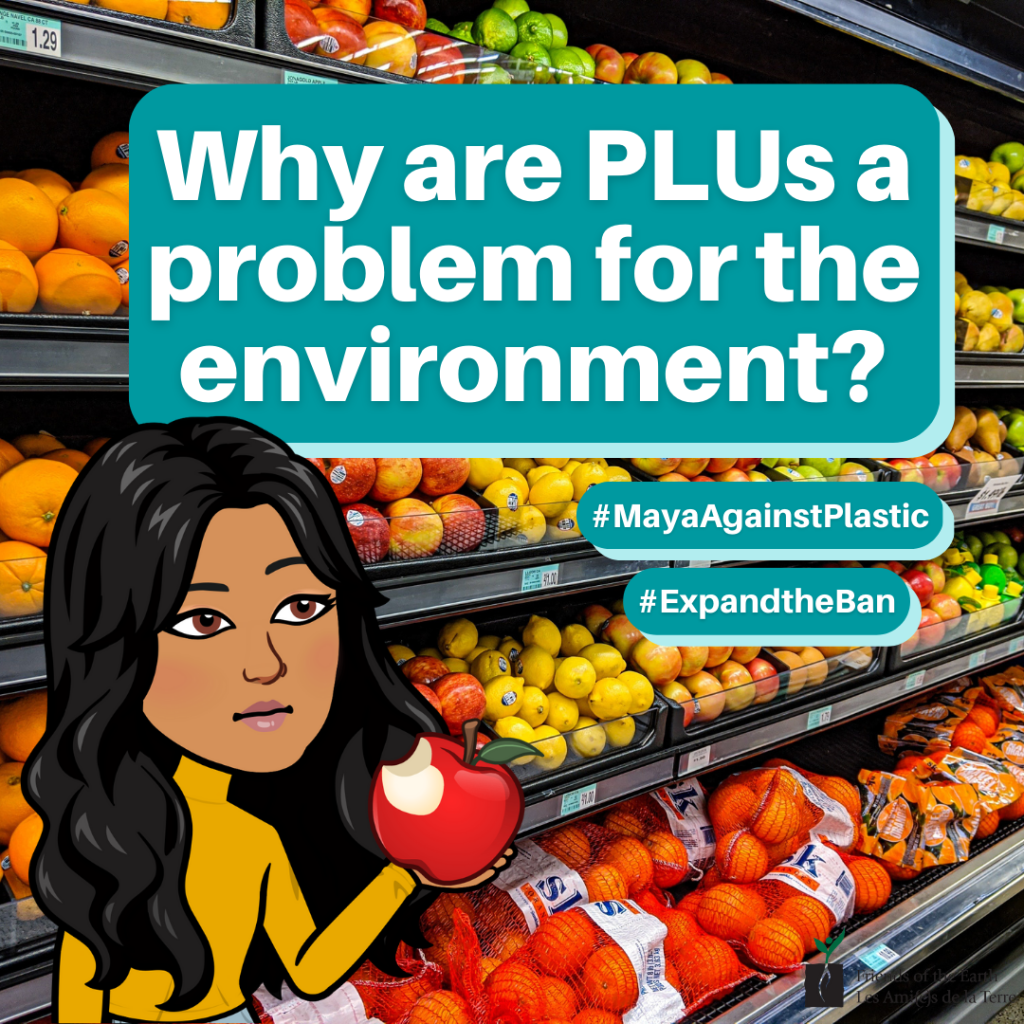
A little girl launches a big campaign to get rid of those little stickers on fruit and vegetables (Ottawa) Ten year old Maya Thiru who lives in the GTA has turned a visit to the grocery store with her Mom into a Friends of the Earth Canada environmental campaign. Maya’s Plastic Pollution Campaign hopes to
Vancouver — More than 60 environmental and health organizations and businesses across Canada are calling on the federal government to Expand the Single-Use Plastics Ban by adding six new categories: All takeout containers, cups and lids Bags, film and wrap Bottles and caps Filtered cigarettes Produce stickers Sachets, pouches and wrappers These six new categories
Toronto, Ont./ Traditional territories of several First Nations including the Williams Treaties First Nations, Huron-Wendat, the Anishnaabeg, Haudenosaunee, Chippewas, and the Mississaugas of the Credit First Nation – Environmental and food groups are challenging Health Canada’s failure to conduct a rigorous scientific assessment of glyphosate before renewing the approval for a product containing it. Ecojustice,
Dear Mayor Sutcliffe, On behalf of Friends of the Earth Canada and the Canadian Association of Physicians for the Environment (Ontario Committee), we write to draw your attention to an urgent public health hazard in downtown Ottawa – heavy truck pollution. To summarize, the City of Ottawa’s choice to route heavy trucks through its high-density
It is significant that the world has recognized how destructive pollution can be for biodiversity in Target 7 of the new Biodiversity agreement. For the first time, parties have agreed to an explicit objective on pesticides, committing to reduce overall risk from pesticides and highly hazardous chemicals by at least half by 2030. This is
Monday December 12 Sustainable Agriculture consultation launch must be matched by Canadian ambition and action on pesticide reduction. MONTREAL/ TRADITIONAL TERRITORY OF THE MOHAWK AND HAUDENOSAUNEE PEOPLES — Today, the Federal Minister of Agriculture Marie-Claude Bibeau has announced consultations on sustainable agriculture, Canada needs to take a stand in favour of including ambitious and firm commitments
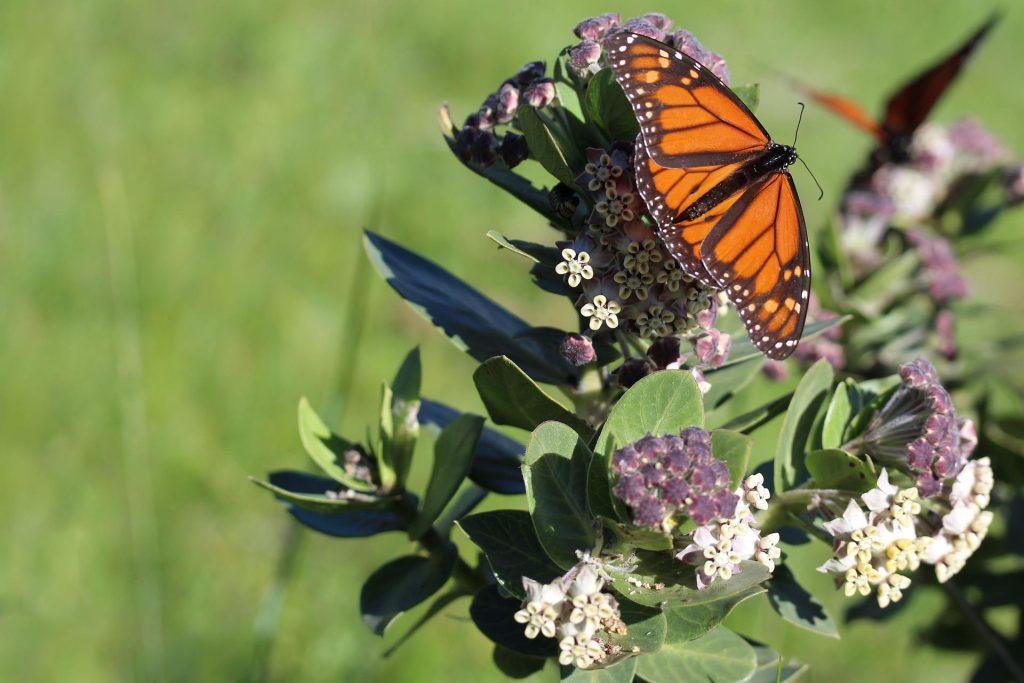
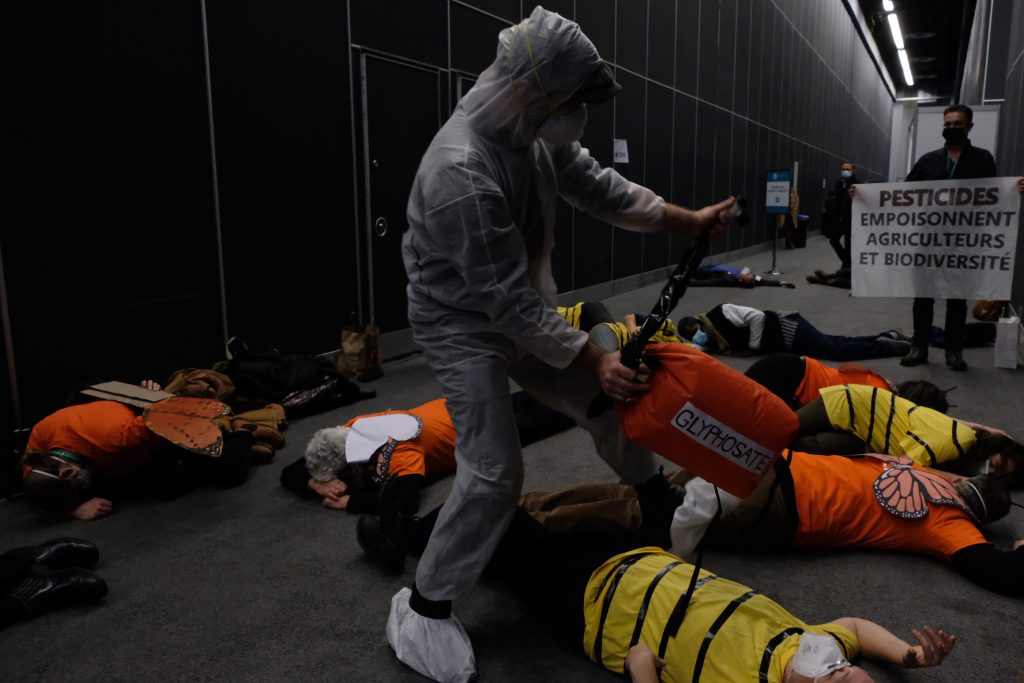
Advocates protest CropLife event at NatureCOP, as delegates consider first global pesticide reduction target TIOHTIÀ:KE/MONTREAL/UNCEDED TERRITORY OF THE KANIEN’KEHÁ:KA NATION (December 8, 2022) — Demonstrators dressed as bees and butterflies raised concerns today about the presence and profile of the pesticide industry at NatureCOP (COP15), the global biodiversity summit taking place in Tiohtià:ke/Montréal. Environmental groups
FOR IMMEDIATE RELEASE December 8, 2022 Montreal, QC Today, Friends of the Earth (FOE) has issued a Call to Action to Canada’s negotiators at NatureCOP happening now in Montreal. FOE Canada is calling on our representatives to work to meet the expectations of young Canadians to reduce pesticides in food and agree to phasedown
A historic breakthrough in deadlocked COP27 talks means a Loss and Damage fund to compensate developing countries for the irreversible impacts of climate change has been established, despite consistent efforts by the US and other developed countries to derail it. This fund was one of the key demands of developing countries, and it is
On the occasion of German Chancellor Olaf Scholz’s visit to Canada, and ahead of the announced ratification of the EU–Canada Comprehensive Economic and Trade Agreement (CETA) by the German parliament, we Canadian and German civil society organisations express our continued opposition to CETA, which protects corporate interests at the expense of climate, environmental and social
Turn a tragedy into a greener future… August 16, 2022 (London) – Friends of the Earth Canada condemns the wanton destruction of Susan McKee’s pollinator garden by London city workers. However, rather than focus on recriminations and finger pointing, Friends of the Earth is urging London to modernize its antiquated property maintenance By-laws to bring
FOR IMMEDIATE RELEASE – June 28, 2022 Toronto, Ont./ Traditional territories of several First Nations including the Williams Treaties First Nations, Huron-Wendat, the Anishnaabeg, Haudenosaunee, Chippewas, and the Mississaugas of the Credit First Nation – Indigenous Climate Action, the David Asper Centre for Constitutional Rights, the Assembly of First Nations, Friends of the Earth, Canadian
Well done Canada and Ministers Duclos and Guilbeault! In the face of stiff industry resistance, Canada has published final regulations to prohibit single-use plastics that, to-date, have been buried, burned or dumped after only a few minutes of use. These include: checkout bags; cutlery; foodservice ware made from or containing problematic plastics that are hard
78 Public Interest groups are calling on Canada’s biggest banks to drop investments in nuclear power, including so-called Small Modular Reactors (SMRs) from their fossil-free and ESG* investment portfolios. The banks are all members of the Net Zero Banking Alliance, committing them to “transition … GHG emissions from their lending and investment portfolios to align
February 4, 2022 FOR IMMEDIATE RELEASE Glyphosate poses an unacceptable risk to human health Toronto, Ont./ Traditional territories of several First Nations including the Williams Treaties First Nations, Huron-Wendat, the Anishnaabeg, Haudenosaunee, Chippewas, and the Mississaugas of the Credit First Nation – The Federal Court of Appeal has ordered Health Canada’s Pest Management Regulatory Agency
Groups say glyphosate poses an unacceptable risk to human health Toronto, Ont./ Traditional territories of several First Nations including the Williams Treaties First Nations, Huron-Wendat, the Anishnaabeg, Haudenosaunee, Chippewas, and the Mississaugas of the Credit First Nation – Environmental groups are at the Federal Court of Appeal today fighting to uphold Canadians’ right to participate
Groups claim political contributions by the CPPIB via Crestone Peak Resources illegal under Colorado law Aug 9, 2021 (Ottawa and San Francisco) – Friends of the Earth Canada and Friends of the Earth United States have filed a complaint with the Colorado Attorney General Phil Weiser requesting an investigation into potentially illegal political contributions made
August 4, 2021 (Ottawa) – The pesticides industry’s attempt to increase the legal levels of glyphosate (Roundup) in Canadian food has been paused. In a major shift in pesticide policy, the Government of Canada is hitting the pause button to suspend decisions on maximum residue levels(MRL) for glyphosate and any other pesticide under MRL consideration
June 29, 2021 (Ottawa) – Friends of the Earth has filed a formal petition to the Auditor General (OAG) regarding serious flaws in recent decisions to permit the continued use of neonicotinoid pesticides. It asks that two federal Ministers who share responsibilities to protect the environment from toxic contamination – Health Canada Minister Patty Hajdu
Friends of the Earth Canada welcomes this new Pollinator Health Commitment for Walmart’s Canadian operations. In addition to previous commitments to reduce bee-toxic pesticides called neonics in garden centre plants, Walmart will now address the use of pesticides in fresh produce and florals sold in-store as well as improving and expanding pollinator habitat on their properties
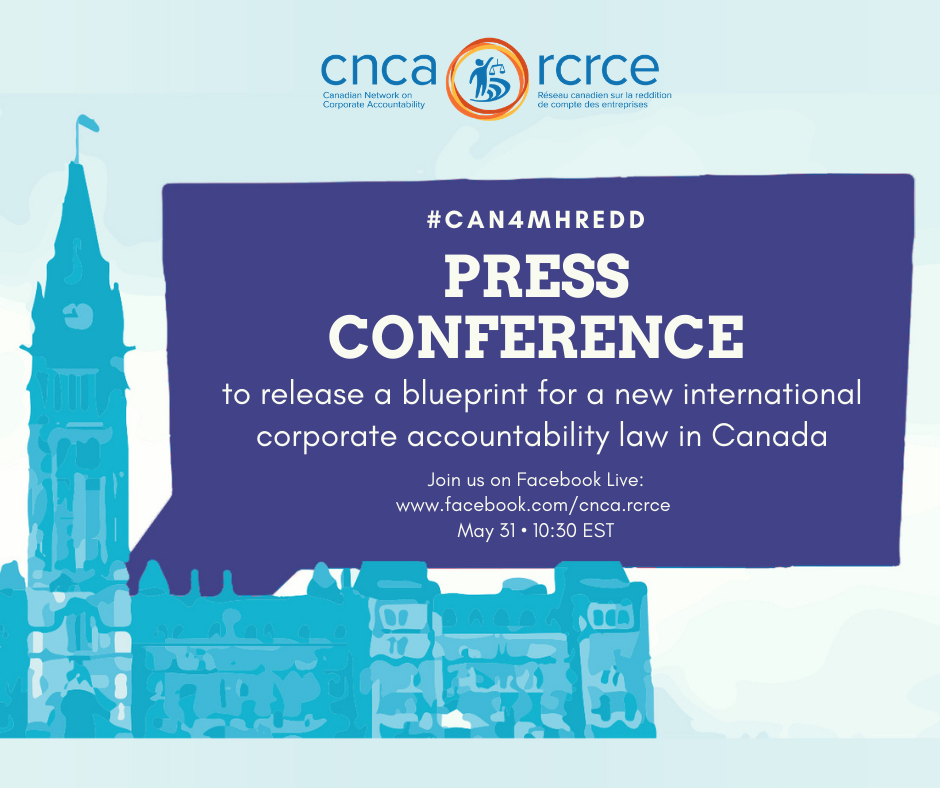
Ottawa, ON / May 31, 2021—Today the Canadian Network on Corporate Accountability (CNCA) releases draft model legislation that provides lawmakers with a blueprint for writing into Canadian law the corporate duty to respect human rights and the environment. The draft model law, if adopted, would require Canadian companies to prevent human rights and environmental harm
OTTAWA, ON—On Monday, May 31st, the Canadian Network on Corporate Accountability (CNCA) will release draft model legislation to provide lawmakers with a blueprint for a new international corporate accountability law in Canada. The draft model law, if adopted, would require Canadian companies to prevent human rights and environmental harm throughout their global operations and supply
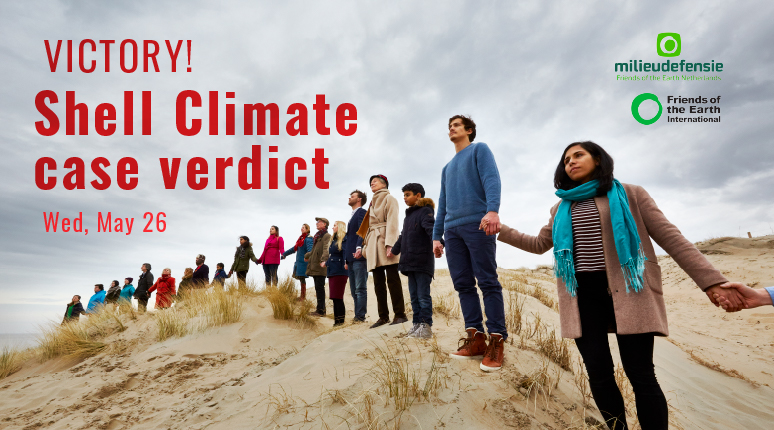
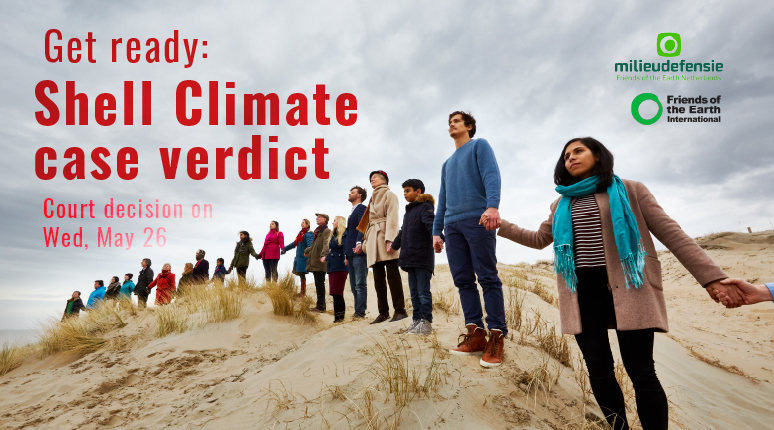
May 26, 2021 (Ottawa) – For the first time in history, a judge has held a corporation liable for causing dangerous climate change. Today, as a result of legal action brought by Friends of the Earth Netherlands (Milieudefensie) together with 17,000 co-plaintiffs and six other organisations1 the court in The Hague ruled that Shell must
On Wednesday 26 May a Dutch court in The Hague will give judgment in the Climate Case against Shell brought by Friends of the Earth Netherlands (Milieudefensie), 17,000 co-plaintiffs and 6 other organisations (Note1). This case is unique: if successful, this will be the first legal judgment ordering a polluting transnational corporation to reduce its
Environmental groups dismayed by continued use of bee-killing imidacloprid, request audit of federal pesticide regulation OTTAWA — Environmental groups are calling for an audit of federal pesticide regulation, after the Pest Management Regulatory Agency published its final decision on harmful neonicotinoid insecticides (neonics), allowing most uses to continue despite identified risks to wildlife and ecosystems.
Canada failing to protect the environment from harmful pesticides, groups say OTTAWA – Decisions published today by the Pest Management Regulatory Agency will allow the widespread use of neonicotinoid insecticides to continue, despite evidence of harm to wildlife and ecosystems. Environmental organizations say Canada is failing to protect the environment from harmful pesticides. “It is
Territoire algonquin/Ottawa, Ontario – 25 mars 2021 – Le jugement de la Cour suprême du Canada déclarant constitutionnelle la Loi sur la tarification de la pollution causée par les gaz à effet de serre est une victoire pour les femmes et les filles. La Saskatchewan, l’Ontario et l’Alberta avaient porté cette loi à l’attention des
version française disponible ici Algonquin Territory/Ottawa, Ontario – March 25, 2021 – The Supreme Court of Canada’s judgment declaring the Greenhouse Gas Pollution Pricing Act constitutional is a victory for women and girls. Saskatchewan, Ontario and Alberta went to court over the Act arguing that it was unconstitutional because Ottawa was stepping into provincial jurisdiction.
FRIENDS OF THE EARTH NETHERLANDS, FRIENDS OF THE EARTH EUROPE For immediate release: Friday January 29, 2020 The Hague, 29 January 2021 – The Court of Appeal in The Hague has ruled in favour of Milieudefensie/Friends of the Earth Netherlands and four Nigerians on most points in an oil pollution case that was first brought
During this year, we have at times felt overwhelmed by our collective experiences of the patriarchal impacts of the Covid-19 pandemic and the current neoliberal crisis on women and other social groups in our societies. In August, we held FoEI Feminist Frontlines discussion spaces in which we shared about the particular impacts of this global
TORONTO, October 28, 2020 – How well do you know your bees? York University researchers have found bee knowledge in Canada lacking with about half of those surveyed thinking honey bees are wild and native to Canada. They’re not. They were brought over from Europe and are managed by beekeepers like other farm animals, such
TORONTO – Environmental groups will be heading to the Federal Court of Appeal in support of a case related to the Pest Management Regulatory Agency’s (PMRA) decision to continue registration of the pesticide, glyphosate. Represented by Ecojustice lawyers, the David Suzuki Foundation, Environmental Defence Canada and Friends of the Earth Canada will be appearing as
Ottawa, le 20 octobre 2020 — Des groupes citoyens de tout le Canada blâment le gouvernement fédéral de subventionner la mise au point de petits réacteurs nucléaires modulaires et ils le mettent au défi de publier les recherches qui justifieraient sa stratégie. Les ministres Seamus O’Regan et Navdeep Bains ont annoncé la semaine dernière l’octroi d’une
Ottawa, October 20, 2020 — Public interest groups across Canada are criticizing the federal government for funding small nuclear reactor development and are challenging the government to release the research and data that support its strategy. Ministers Seamus O’Regan and Navdeep Bains last week announced a $20 million grant to Terrestrial Energy in Ontario to continue
COVID-19 and climate both important, finds Friends of the Earth October 6, 2020 (Ottawa) In releasing a new national poll, Beatrice Olivastri, CEO, Friends of the Earth said, “Despite COVID-19, climate is clearly on the minds of Canadians. Forty-two percent of respondents described themselves as climate voters. The findings of this poll point to a
September 28, 2020 (Ottawa) – In advance of CPPIB’s public meetings across Canada, Friends of the Earth Canada has asked the Chair of the CPPIB, Heather Monroe-Blum, to enforce its Code of Conduct and recover US$600,000 given to Republican organizations. The payments were made by Crestone Peak Resources to Colorado Republican committees in 2018. Crestone
Toronto, ON (June 23, 2020) In recognition of National Pollinator Week, Friends of the Earth is publishing “A Flower Patch for the Rusty-patched Bumblebee: Creating Habitat Gardens for Native Pollinators in the Greater Toronto Area”. Friends of the Earth Canada is making free digital copies of the e-guide available through foecanada.org as a public service.
Friends of the Earth Canada expresses its grief and outrage over the police-state violence that claimed the lives of Regis Korchinski-Paquet, Chantel Moore, George Floyd, Breonna Taylor, and others. It understands their deaths were a result of entrenched white supremacy in a society that polices, criminalizes, and systematically murders Black and Indigenous peoples. In the
FOR IMMEDIATE RELEASE May 19, 2020 Civil society urges Minister O’Regan to suspend decisions involving radioactive waste after international body finds Canada’s nuclear waste policy deficient Ottawa – Over one hundred civil society organizations and prominent scientific experts from across Canada have called on the federal minister of Natural Resources (Hon. Seamus O’Regan) to suspend all decision-making involving radioactive waste
May 19, 2020 (Ottawa, Ontario) – On World Bee Day (May 20), Friends of the Earth is calling on Canadians to create B & Bs (Bee & Bees) in their yards to host bumble bees and other wild, native bees. Bumble bees in Canada are key pollinators for many native plants and are more effective
The COVID-19 crisis is a wake up call for system change. It can only be tackled with peoples’ sovereignty and environmental, social, gender and economic justice. Our actions now will shape what comes after this crisis. This is a moment to reaffirm hope, by nurturing and strengthening new emancipatory and ecological paradigms, centred around justice
Read the joint public statement and accompanying letter: COVID and human rights oversight public statement Letter regarding COVID human rights oversight statement (EN) Letter regarding COVID human rights oversight statement (FR) OTTAWA – A total of 301 organizations, academics and former politicians from across the country are calling on all levels of government in Canada
TORONTO, March 25, 2020 — The leaders of over 150 Canadian charities have written a letter to the Government of Canada asking for urgent financial support to prevent the irreparable collapse of the sector, and their vital programs, due to the COVID-19 crisis. Canada’s charities are a critical part of the Canadian economy, contributing more than
For immediate release on Feb 19, 2020 TORONTO – Environmental groups renew their call for the Pest Management Regulatory Agency (the PMRA) to act swiftly to implement registration amendments to curtail the use of neonicotinoid pesticides. These are systemic pesticides, and when plants absorb them, they are expressed in their nectar, pollen and other tissues,
Published January 27, 2020 in The Hill Times To the Prime Minister, Parliament and the Federal Government: The undersigned organizations have grave concerns about the handling of Canada’s federally-owned radioactive waste by a private-sector consortium that includes SNC-Lavalin and two Texas-based multinational corporations.* Canada has no adequate federal policies and strategies for the long-term management
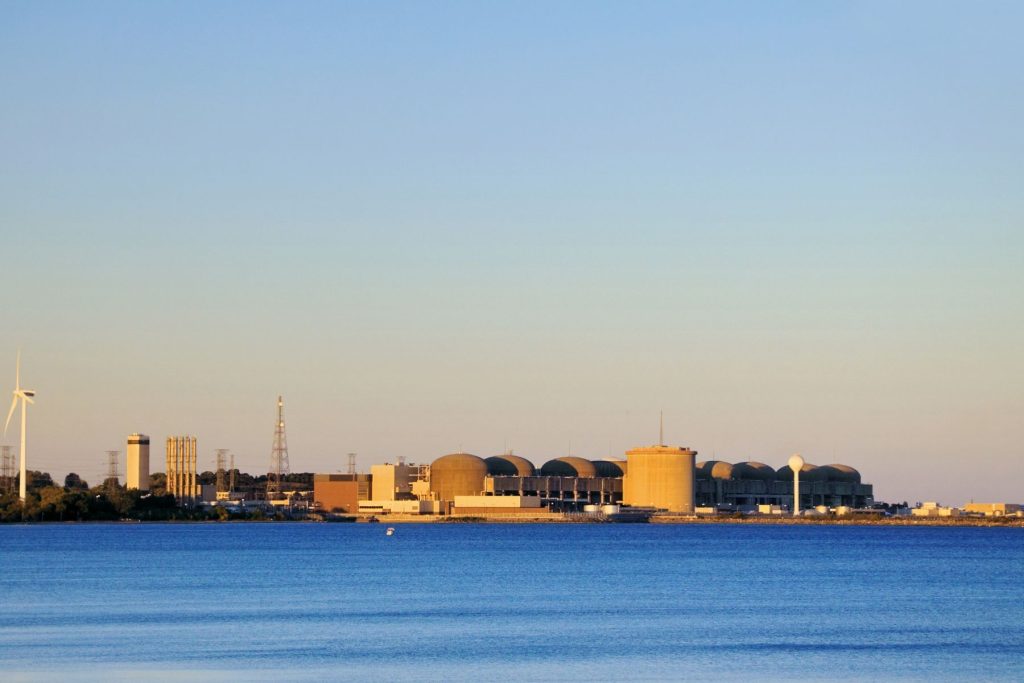
January 13, 2020 (Ottawa) – In a national poll administered this month to over 2000 Canadians, Friends of the Earth Canada finds strong concerns over the threat of contamination by nuclear reactors and nuclear energy to local drinking water and neighbourhood safety and security. More than eight out of ten (82%) Canadians are concerned about
Co-counsels Nathalie Chalifour and Anne Levesque, the lawyers representing the two groups, will argue for an interpretation of the division of powers between the federal and provincial governments that allows for an effective, sustained and collaborative legislative response to climate change. FOE and NAWL will put forward three mutually reinforcing arguments: (1) taking strong action
Toronto – Ecojustice, on behalf of the David Suzuki Foundation, Wilderness Committee, Friends of the Earth Canada and Équiterre, are in court today to defend pollinators and stop the Pest Management Regulatory Agency (PMRA) from ignoring its regulatory duties. These groups will argue that the PMRA is unlawfully and arbitrarily delaying necessary restrictions on the
December 2, 2019 (Ottawa) – While the world is focussed on the UN Climate Change Conference, three Canadian Premiers who have challenged Canada’s Carbon Tax announce their own scheme to get off coal and other dirty energy by using Small Modular Nuclear Reactors (SMNRs). Last week, it was revealed that Premier Ford’s decision to shut down
Fine print in regulatory proposals flowing from Bill 132 removes accountability mechanisms, invites over-use of bee-killing neonic pesticides TORONTO — Regulatory changes proposed in conjunction with Bill 132, the Better for People, Smarter for Business Act, would undermine Ontario’s restrictions on neonicotinoid insecticides (“neonics”) by doing away with important accountability mechanisms, according to environmental and
November 7, 2019 (Ottawa) – Late yesterday, Friends of the Earth (FOE) and the National Association of Women and the Law (NAWL) filed their Memorandum of Argument of the Proposed Intervenor in the Climate case being appealed to the Supreme Court of Canada (SCC) by Ontario and Saskatchewan. This filing is an important step by
October 1, 2019, Ottawa – Half way through the federal election, Friends of the Earth Canada has a message for Canadian politicians. The electorate wants action to stop plastics pollution: 86% of Canadians want you to take more action on plastics as a way of reducing climate harmful greenhouse gases. And 8 out 10 Canadians
(Montreal, Quebec, September 18, 2019) The need for urgent reform of Canada’s approach to radioactive waste has just been confirmed by findings from the global authority on nuclear matters, the International Atomic Energy Agency (IAEA), which completed an 11-day review mission to Canada on September 13. Canadian civil society groups say the IAEA findings validate their
Caution needed to prevent accidental GM salmon production in ocean net-pens Thursday, September 12, 2019. Halifax. Ahead of the Canadian Seafood Show, September 25-26 in Montreal, Canadian and U.S. environmental groups (1) are calling on the aquaculture and seafood industry to boycott AquaBounty’s Atlantic salmon eggs in order to eliminate the risk of any accidental
August 28, 2019 (Ottawa) – Friends of the Earth is pleased with the news that Canada’s Competition Bureau has started an inquiry on alleged false and misleading advertising on 23 so-called “flushable” wipes. With regard to the Section 9 application filed with the Competition Bureau of Canada by six applicants supported by Friends of the
Hon. Catherine McKenna, Minister Environment and Climate Change Canada Ottawa July 17, 2019 Dear Minister McKenna, With this letter, we the undersigned call on you and the Canadian government to support the ratification of the Basel Ban Amendment, which prohibits developed countries like Canada from exporting their hazardous wastes to developing countries. The amendment is
June 18, 2019 – Ottawa Friends of the Earth Canada regrets the federal government’s decision to expand the Trans Mountain pipeline. It is inconsistent with Canada’s climate action goals. This pipeline threatens the welfare of future generations. “It’s clear this decision is about politics and the power of the oil industry not about what’s good
June 12, 2019 (OTTAWA) – A Friends of the Earth Canada survey has revealed a major victory for bees and pollinators. Canada’s big box stores are reporting they have almost eliminated the sale of neonicotinoid-contaminated flowering plants. Friends of the Earth Canada has spent the last five years testing flowering plants from garden centres across
Statement from Beatrice Olivastri, CEO, Friends of the Earth Canada: Yesterday, Canada’s PM and Environment Minister announced a suite of initiatives to reduce plastic pollution and invest in innovations. Friends of the Earth Canada welcomes this suite of measures starting with the intention to ban single-use plastics as early as 2021 with regulations under the
(British Columbia) – Twelve leading ocean conservancy and environmental groups have requested that Canada’s environment and health ministers take immediate regulatory action on plastic wastes and pollution, under the Canadian Environmental Protection Act 1999, and call on the Government of Canada to add any plastic generated as a waste, or discharged from the use or disposal
Toronto, May 30, 2019 – Ecojustice, on behalf of Équiterre, David Suzuki Foundation, Wilderness Committee and Friends of the Earth Canada, is challenging the Pest Management Regulatory Agency’s (PMRA) unlawful decision to impose a two-year “phase-out” period, as opposed to immediate cancellation of certain uses of the neonicotinoid Thiamethoxam and implementation of other necessary risk
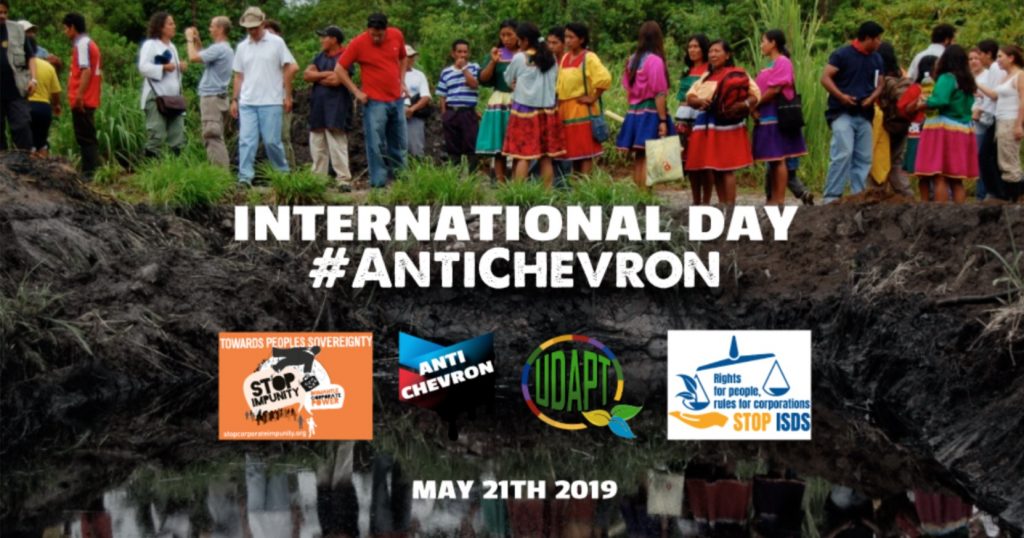
Amsterdam/Geneva/Quito – May 21st 2019 268 organisations, networks, social movements and trade unions from different continents, representing more than 280 millions of persons, are mobilised to denounce the Chevron’s impunity in Ecuador and ask the president of Ecuador to support the Chevron case in favour of the indigenous and peasant communities. After 15 years of
Des groupes de défense de l’environnement dénoncent des allégations fausses et trompeuses sur les lingettes dites « jetables dans les toilettes ». OTTAWA, le 1er mai 2019 – Les Ami(e)s de la Terre Canada, représentés par Ecojustice, ont déposé aujourd’hui une demande d’enquête par le Bureau de la concurrence concernant des allégations fausses et trompeuses faites par
Competition Bureau Canada asked to investigate and levy $230 million in fines against wipes manufacturers OTTAWA, May 1, 2019 – Today, Friends of the Earth Canada, represented by Ecojustice, filed an application seeking an investigation by the Competition Bureau into false and misleading claims made by the manufacturers of 23 so-called flushable wipes and other
Groups declare today’s risk assessment incomplete and out-of-step with leading jurisdictions, call on government to proceed with proposed ban without further delay OTTAWA – Environmental groups and beekeepers disagree with the final decisions of Canada’s pesticide regulatory agency assessing risks to pollinators from neonicotinoid insecticides. In the decisions, published today, the Pest Management Regulatory Agency concludes
For Immediate Release: April 8, 2019 The Government of Canada failed today to appoint an independent Ombudsperson for Responsible Enterprise (CORE) with real powers to investigate abuses and redress the harm caused by Canadian companies operating abroad. Canadian companies operating overseas have been associated with widespread and egregious human rights abuses including forced labour, rape
Note: you can read the French version of this release here. Need for urgent action by Minster of Health is key message to Parliamentarians (Ottawa) January 30, 2019 – Today, a team of environmental, health and legal experts are on Parliament Hill briefing Canadian Parliamentarians on why Canada needs an independent review of glyphosate. Each
Minister asked to hold independent, transparent review of Canada’s most heavily used pesticide: glyphosate Media release: December 18, 2018 Environmental & health groups and individuals have sent an Open Letter to the Hon. Ginette Petitpas Taylor, challenging her to uphold independent science and ethical standards, as she promised to do when appointed Canada’s Minister of
Toronto, Nov. 28, 2018: “The CPP Investment Board is currently misleading Canadians. It is not taking climate risk seriously. It must take immediate action and stop investing in fossil fuels” observed John Bennett, Senior Policy Advisor, Friends of the Earth – Canada (FOE-C). If the CPPIB does not take immediate action warns Friends of the
Groups in court over neonicotinoid pesticide linked to declining pollinator populations TORONTO — Environmental groups are in Federal Court today to protect pollinators from a harmful neonicotinoid pesticide, Thiamethoxam, by challenging the lax oversight of Health Canada’s Pest Management Regulatory Agency (PMRA). Lawyers from Ecojustice representing the David Suzuki Foundation, Friends of the Earth
Ottawa, August 21, 2018 — Forty First Nations, citizen groups and NGOs have asked Canada’s Auditor General to hold an inquiry into spending by Natural Resources Canada, Atomic Energy of Canada Limited (AECL) and the Canadian Nuclear Safety Commission (CNSC) on nuclear reactor decommissioning. “The plan to entomb and abandon radioactive carcasses of nuclear reactors next to
“It’s about time,” says Friends of the Earth Canada August 15, 2018 (Ottawa) – Friends of the Earth Canada welcomes the proposed decision by Health Canada’s Pest Management Regulatory Agency to end outdoor use of Clothianidin and Thiamethoxam, two of the most widely used neonicotinoid pesticides in the world. Neonicotinoids (neonics) are systemic chemical insecticides
FOR IMMEDIATE RELEASE May 24, 2018 Contact: David Turnbull, Oil Change International, david [at] priceofoil [dot] org Dani Heffernan, 350.org, dani [at] 350 [dot] org Today, an open letter signed by 236 international civil society organizations in 44 countries called on Canadian Prime Minister Justin Trudeau to stop backing the Kinder Morgan tar sands pipeline project and begin
FOR IMMEDIATE RELEASE Environmental groups file request for investigation under Ontario’s Environmental Bill of rights April 18, 2018 (TORONTO) Friends of the Earth Canada is calling on Ontario Minister of the Environment Chris Ballard to investigate the ongoing, and unlawful, sale of flowering plants containing banned pesticides, including bee-killing neonicotinoids. Acting on behalf of Friends
Lawsuit brought by environmental groups survives second attempt to shut it down. April 12, 2018 TORONTO — A lawsuit launched by environmental groups in a bid to protect pollinators from harmful neonicotinoid pesticides will proceed to a full hearing, despite repeated attempts by the federal government and companies that make the pesticides to shut the
Long running dispute between petro-giant Chevron and Ecuadorian citizens has Canadian component April 5, 2018 (Toronto, Canada) – This morning, Friends of the Earth Canada, the Steelworkers Humanity Fund and Amazon Watch filed an application to the Ontario Superior Court of Justice calling on the court to unseal documents in the historic legal effort to
OTTAWA, January 17, 2018 – Friends of the Earth is encouraged by the Government of Canada’s announcement today regarding the creation of a Canadian Ombudsperson for Responsible Business Enterprise. Canada’s Minister of International Trade, François-Philippe Champagne announced the long awaited office. The human rights ombudsperson will independently investigate complaints concerning the overseas operations of Canadian
19 December, 2017 (Ottawa) – Today, after five years of study, Health Canada’s Pest Management Regulatory Agency has again failed to protect bees and pollinators. Its re-evaluation report on two neonicotinoids proposes to allow continued use of clothianidin and thiamethoxam in Canada. A complicated mix of phase down of some uses and re-labelling does not
December 11, 2017 (Ottawa) – Today, the German organization Urgewald released a report revealing Canada as the 8th largest investor in new coal globally. They provide a list of the top 100 investors in companies developing new coal plants. Canadian institutions on the list include: SunLife at #31 with $895 million invested; Power Financial Corporation
WASHINGTON, D.C. – As the world’s first sale of genetically engineered fish is underway in Canada, the top food retailers across Canada and the U.S. have made public statements that they have no plans to sell the genetically engineered salmon. Sobeys (TSX:SBY) is the latest and last of Canada’s national retailers to inform customers that it will not be selling the genetically engineered
Canada’s climate leadership claim undermined by coal bid by Canada Pension Plan Investment Board (Ottawa) – More than 20 Canadian and international organizations are concerned that the actions of the Canada Pension Plan Investment Board are undermining Canada’s leadership for a global phase-out of coal-fired electricity. In a joint letter to the Prime Minister, the
Geneva, Monday (30 October 2017) – Friends of the Earth International welcomes the positive conclusion of the 3rd session of the Intergovernmental Working Group (IGWG) on a UN treaty on transnational corporations and human rights (1), after substantive discussions on content, impressive and diverse participation of social movements and a record presence of 101 member states.
October 31, 2017 (Ottawa, Canada) – Today, Ontario’s top court reversed the decision of a lower court that ordered Ecuadorian villagers to put up almost a million dollars before moving ahead with their case against Chevron. The Ecuadorian Indigenous people and settlers came to Canada seeking enforcement of the ruling of their court that the
Amsterdam and globally (19 October 2017) – Friends of the Earth International is urging states to enter constructively on negotiations for a legally binding treaty to hold transnational corporations to account on human rights and environmental abuses UN treaty on transnational corporations and human rights in Geneva on 23 – 27 October 2017. This will
October 5, 2017 (Ottawa) – New research, published in Science today, found widespread contamination of bee-harming neonicotinoid pesticides in honey around the world. Friends of the Earth Canada CEO, Beatrice Olivastri, said, “The discovery of a cocktail of bee-harming pesticides in honey samples across North America, Europe and Asia reinforces the need for a complete
September 27, 2017 (Ottawa) – The third round of secret negotiations on a new North American Free Trade Agreement (NAFTA) draws to a close on Wednesday, September 27. As the negotiations move forward, the talks continue to threaten the capacity of Canada, Mexico, and the United States to issue and implement effective regulations to address
OTTAWA, ON (September 20, 2017) – Nineteen leading Canadian environmental and conservation organizations delivered a clear message to the federal government this week: “The time has come for serious federal investment in Canada’s ecosystems and species, which are central to Canadians’ well-being and prosperity.” Within their newly-released annual budgetary recommendations to the federal government, members
August 3, 2017 (Ottawa, Ontario) – In response to global concerns about declines in pollinator biodiversity, Friends of the Earth is launching its second “Great Canadian Bumble Bee Count” and offering downloadable “Census Cards” to help identify the bees. The campaign asks people to look for and take photos of bumble bees and to upload
For Immediate Release Jul 17, 2017 Judge orders a hearing of environmental groups’ pesticide case TORONTO – A Federal Court judge has ruled that a case to protect pollinators from neonicotinoid pesticides must be heard before the courts. Ecojustice lawyers on behalf of their clients at Ontario Nature, Wilderness Committee, David Suzuki Foundation and
Groups ready to fight off federal government’s attempt to dismiss lawsuit | 6 July 2017 TORONTO – Ecojustice lawyers are in court this week to tell the federal government to buzz off. “Our clients – and the bees and other wild pollinators – deserve their day in court,” said Julia Croome, Ecojustice lawyer. “The federal
June 27, 2017, Ottawa – Most Canadians (89%) believe “pesticides” are the most important threat to bees according to a poll conducted on behalf of Friends of the Earth Canada in May by Oracle Poll Research. Almost eight out of ten believe the loss of suitable floral resources was important (79%). More than six out
Statement by Friends of the Earth Canada CEO, Beatrice Olivastri: An impressive majority of Canadians say they want mandatory labelling of genetically modified food (88% according to an Ipsos Reid poll commissioned by the Canadian Biotechnology Action Network(CBAN), September 2015. www.cban.ca/2015poll). And why shouldn’t they get it? After all, Canada already requires labelling of all
For immediate release (update) March 6, 2017 Version française 11th-hour invitation to testify issued to coalition of NGOs pressing government to proceed with proposed phase-out to protect biodiversity and long-term food security OTTAWA – Leading environmental groups, health advocates and campaign movements are raising concerns about MPs’ one-sided review of the proposed phase-out of pesticides formulated
Pour publication immédiate 6 mars 2017 English version Une coalition d’ONG qui demande l’interdiction des néonicotinoïdes pour protéger la biodiversité et la sécurité alimentaire à long terme invitée à participer à la toute dernière minute Ottawa, le 6 mars 2017 — Les principaux groupes environnementaux, des défenseurs de la santé et des mouvements de mobilisation
Ottawa, February 24 – Friends of the Earth Canada is raising serious questions about the environmental implications of the proposed federal “Clean Fuel Standard”. In a discussion paper the group released today, they identify significant gaps in the scientific knowledge needed before deciding to increase the amount of biofuel produced in Canada. “Greenhouse gas reductions
December 19, 2016 Today, nearly fifty international organizations and networks sent the following letter to Ecuadorian authorities urging an immediate end to the militarization and the State of Emergency that was declared in the southeastern Amazonian province of Morona Santiago last week. Instead of force, they urged for there to be openness to dialogue over the proposed Panantza-San Carlos mine project with the Shuar and campesino communities in accord with their constitutional
Organizations call on Prime Minister for an Immediate Asbestos Ban and Expert Panel Review IMMEDIATE RELEASE – Toronto, 7 December 2016 – Over 60 health, labour, and environmental organizations from across Canada urge Prime Minister Trudeau to take the necessary steps to achieve a comprehensive ban on asbestos, beginning with regulatory actions banning asbestos use
SECRET TISA TRADE DEAL EQUALLY AS DANGEROUS AS TPP AND TTIP finds new Friends of the Earth International report 1 December 2016 – While the Trans Pacific Partnership (TPP) appears to be dead [1] and negotiations on a Transatlantic Trade and Investment Partnership (TTIP) stalled [2], another similar corporate trade dealstill in the making –
Ottawa, Nov 2, 2016 – The Canadian Network on Corporate Accountability released yesterday detailed model legislation, providing the Canadian government with a blueprint for how to create an effective human rights ombudsperson in the extractive sector. Human rights abuses at Canadian mining and oil and gas sites around the world are widespread and well documented. Victims
VATICAN, 5 OCTOBER 2016 – Out of concern for the increasing violence against environmental defenders, a coalition of 76 environmental and human rights organizations from 19 countries asks the Pope to stand up for their protection. In a letter presented to Pope Francis this week, the organizations ask the Pope to be a patron for
Canadian environmental justice, labor, human rights, and First Nations groups blast Chevron and call for justice for Ecuadorians September 7, 2016 (Toronto, ON ) Some of Canada’s largest environmental, labor and civil society organizations have now joined the growing international community demanding that Chevron clean up its toxic waste in the Ecuadorian Amazon and cease
Time for G20 to act (Friends of the Earth International – Press Release, Amsterdam – 2 Sept. 2016) Globally every year up to $600 billion dollars of government tax revenue is lost through tax avoidance alone 1. In a new report, launched today, Friends of the Earth International calculates that government revenue lost to tax
August 16, 2016 (Ottawa) Friends of the Earth Canada says Canada urgently needs a study of the impact of neonicotinoid pesticides used on canola crops in light of a new study out of Britain. The study links neonicotinoid pesticide use on canola crops to large scale, long term declines in wild bee species. Canada is the
Neonicotinoid pesticides have been linked to mass bee die-offs and declining pollinator populations. TORONTO, July 6, 2016 — Environmental groups are headed to court in a bid to protect pollinators from a harmful class of pesticides. The David Suzuki Foundation, Friends of the Earth Canada, Ontario Nature and the Wilderness Committee have been tracking the
June 1, 2016 (Ottawa, ON) Friends of the Earth Canada is calling on Canada’s largest public investor, the Canada Pension Plan (CPP), with $278.9 billion in assets, to stop investing in climate polluting fossil fuels and bring its investment policies in line with Canada’s commitment to limit global temperature rise to 1.5°C of warming. Canadians
May 5, 2016 (Toronto, Ontario) In response to global concerns about declines in pollinator biodiversity, Friends of the Earth, with the support of Ontario Power Generation, is launching its “Let It Bee” campaign. More than two-thirds of the food crops we depend on benefit from pollination by native bees, honey bees and other pollinators. “Let
(Montréal, QC, le 28 avril 2016) Vers 9 heures ce matin, Les Ami(e)s de la Terre Canada ont inscrit un message dans le ciel pour alerter les actionnaires de la firme Bayer AG. Cette multinationale est un important fabricant des pesticides néonicotinoïdes qui dévastent les populations d’abeilles. Le message «Bayer Neonics Non!» a été remorqué
(Montreal, QC, April 28, 2016) Around 9 am today Friends of the Earth Canada delivered a heavenly message to draw the attention of Bayer AG stockholders. The multinational corporation is a major manufacturer of bee killing neonicotinoid pesticides. The message “Bayer Neonics Non!” was written on a 50 foot banner towed
(Ottawa, ON, April 22, 2016) Today, Prime Minister Trudeau and representatives of over 130 nations are expected to sign the Paris Agreement on Climate Change bringing them one step closer to reducing emissions that cause climate change. Nations including Canada will then ratify the agreement in the coming months. Countries agree to limit the rise
(Ottawa, ON March 10, 2016) The U.S.-Canada joint statement contains some encouraging elements that can form the basis of bilateral action on climate change by the two countries. It is an important positive step forward but its spirit can be undermined by positions in on-going negotiations and the limited scale of global contributions needed from
The Commissioner on Environment and Sustainable Development audit results confirm that Canada must replace the PMRA Friends of the Earth Canada says no trust left for PMRA (January 26, 2016 – Ottawa) Canada’s Commissioner on Environment and Sustainable Development, Julie Gelfand, delivered a stinging audit of five key areas of performance for the Pesticide Management
Ottawa – Friends of the Earth Canada welcomes the end of conditional registrations of pesticides announced by the Minister of Health but says that discontinuing the practice won’t fix an industry-biased and scientifically out of date system. In a new report issued for public response, Health Canada says it will cease issuing conditional registration of
PRESS RELEASE Friends of the Earth Netherlands (Amsterdam, The Netherlands, December 18, 2015) – Four Nigerian farmers and Friends of the Earth Netherlands welcome today’s ruling by the Court of Appeals in The Hague allowing them to jointly sue Shell in the Netherlands for causing extensive oil spills in Nigeria. The ruling is unique and
MEDIA ADVISORY Friends of the Earth International (PARIS, FRANCE, 7 December 2015) – Less than a week before the end of the Paris UN climate talks, Friends of the Earth International warned that civil society observers have been prevented from witnessing key parts of the negotiations, and demanded total transparency at the Summit. A chaotic first
MEDIA ADVISORY – NEGOTIATIONS UPDATE Friends of the Earth International (PARIS, FRANCE, December 9, 2015) – After politicians tabled a weak draft climate deal in Paris today, hundreds of protestors including Friends of the Earth International activists staged a loud protest inside the climate summit to expose the fact that politicians are failing to provide
Coalition presses for all retailers to make commitment to protect bees (WASHINGTON, D.C., December 3, 2015) — Home Depot (NYSE: HD), the world’s largest home-improvement chain, has announced that it has removed neonicotinoid pesticides, a leading driver of global bee declines, from 80 percent of its flowering plants and that it will complete its phase-out in
Press release by: FRIENDS OF THE EARTH EUROPE, FRIENDS OF THE EARTH FRANCE, CORPORATE EUROPE OBSERVATORY, CRID, ACTION AID FRANCE (Brussels/Paris – December 3, 2015) – Chevron, EDF and BNP-Paribas have been awarded Pinocchio Climate Awards today [Dec.3] for their roles in undermining climate action and harming local communities [1]. The winners, announced at a
MEDIA ADVISORY Friends of the Earth International LAGOS, NIGERIA, 9 NOVEMBER 2015 – Led by Nigerian activists, social justice campaigners from around the world will commemorate on 10 November the 20th anniversary of the execution of Ken Saro Wiwa and eight more Ogonis at the hands of the Nigerian dictatorship of Sani Abacha. Known around
Listing of four wild bee species under Species at Risk Act overdue, requires immediate action (TORONTO, ON, September 17, 2015) – Five environmental groups are pressing the federal Minister of the Environment to list four wild bee species under the Species at Risk Act (SARA). Listing these bees is the crucial — and overdue —
(HALIFAX, NS, July 20 2015) – While Energy & Mines Ministers from across Canada are meeting in Halifax for their annual conference, a coalition of more than 50 environmental, First Nations, and community organizations today sent a letter to all Canadian Mines Ministers urging them to take immediate action to assess and prevent the threat posed by hundreds
(Ottawa, ON, June 9, 2015) Ontario’s new pesticide regulation requires a permanent reduction of 80% in the use corn and soybean seeds coated with neonicotinoids (imidacloprid, clothianidin and thiamethoxam). This regulation is novel in its designation of the coated seeds as pesticides. Friends of the Earth is pleased and impressed by Ontario’s leadership in finalizing
(Ottawa, ON, May 22, 2015) Canada’s Pesticide Management Regulatory Agency (PMRA) promised to report on their review of the “value” of neonicotinoid pesticides in 2014 to be followed by a public consultation. This is a key element of PMRA’s five year review of the bee-toxic neonicotinoid pesticides conducted in lock step with the US Environmental
White House Pollinator Strategy won’t solve bee crisis Posted May. 19, 2015 / Posted by: Kate Colwell WASHINGTON, D.C. — The Obama administration released its National Pollinator Health Strategy today, which failed to adequately address the impact of pesticides, including neonicotinoid insecticides — a leading driver of bee declines — on bees and other pollinators. This
RONA discloses 70% nursery plants neonic-free this year Friends of the Earth Canada congratulates RONA on its commitment and performance to reduce the use of neonicotinoids in its nursery plants. Last year, Friends of the Earth tested nursery plants for neonics and advised gardeners to buy only neonic-free plants through their “Gardener Beware” campaign. The
Tourist, health, faith-based, and environmental organizations calling on Ontario to strengthen protection of the Great Lakes Toronto, ON — Forty tourist, health, faith-based and environmental organizations are collectively showing their support for the Great Lakes Protection Act. The groups have sent a submission to the Ontario government calling for the quick passage of the proposed
Lowe’s commits to phase-out neonicotinoids from its shelves in a move to protect bees and pollinators April 9, 2015 Ottawa, ON – Lowe’s, North America’s second largest home improvement company, announced today that they will take steps towards a 2019 phase out of bee-harmful neonicotinoids (PDF page 28). Neonicotinoid insecticides are a key factor in bee declines, and are
Premier Wynne and Ministers of Environment and Agriculture cited as North American leaders (March 23, 2015, Ottawa, ON) Today, following extensive public consultation, Ontario tabled a Regulation to permanently reduce 80 percent of the bee-harmful neonicotinoid (neonic) pesticides used on corn and soy seed by 2017. This announcement makes Ontario the first North American jurisdiction
Ottawa, ON, March 12, 2015 German chemical giant Bayer has failed in its attempt to muzzle Friends of the Earth Germany (BUND) over the environmental group’s claims that thiacloprid, a pesticide manufactured by Bayer, harms bees. Thiacloprid is one of a group of insecticides called neonicotinoids (“neonics”) which work by interfering with insects’ nervous systems.
For immediate release: March 5, 2015 97 per cent support Ontario’s plan to restrict bee-killing pesticides Close to 50,000 comments submitted during public consultation process TORONTO – Ontario’s proposal to restrict bee-killing pesticides received an overwhelmingly positive response from the public. Close to 50,000 comments were submitted during the official consultation on Ontario’s pollinator
90% in Peterboro Want Province to Protect Bees FOR IMMEDIATE RELEASE March 5, 2015 Ninety per cent of Peterborough residents feel it’s important for the provincial government to protect pollinators, such as bees, and 85% are concerned about the threat posed to bees by “neonic” pesticides, a new poll shows. The poll comes as Ontario
OBA responds to misleading media campaign by a coalition of Ag groups & AGChem supporters February 2, 2015 Download here MEDIA RELEASE: Beekeepers get the facts straight on honey bees MILTON, ON. A coalition of Ontario Farm organizations, along with pesticide and seed industries, has launched a major advertising campaign touting their concern for honey
Nearly 8 out of 10 Say Ontario Government “On Right Track” Poll Shows Strong Support for Government Action on Pesticides For Immediate Release December 16, 2014 A poll released today by Friends of the Earth Canada, Canadian Association of Physicians for the Environment, and the Ontario Beekeepers’ Association shows nearly 8 out
MEDIA ADVISORY Friends of the Earth International December 13, 2014 LIMA, PERU, 13 December 2014 – The UN climate talks are drawing to a close in Lima today with a text driven by the interests of rich developed countries and corporations, which does little to address the climate crisis [1]. This contrasted sharply with the
MEDIA ADVISORY Friends of the Earth International 10 December 2014 LIMA, PERU, 10 December 2014 — Today, on Human Rights Day, Friends of the Earth International warned that the countries and peoples that have contributed the least to greenhouse gas emissions will be the worst affected by the climate crisis, a ‘climate injustice’ that highlights
MEDIA ADVISORY Friends of the Earth International LIMA, PERU, 26 November 2014 – Less than a week before 195 nations gather in Lima to discuss how to address the climate crisis [1] Friends of the Earth International activists are warning that the United Nations talks are heading in the wrong direction. Dipti Bhatnagar, Friends of the Earth International
(Toronto, ON November 25, 2014) Today, Ontario announced North America’s first phase down of bee-killing neonicotinoid pesticides used to coat corn and soy seeds. This decision should deliver a permanent reduction of 80 percent of neonicotinoids currently used to coat corn and soy seeds. “We congratulate Ontario for its decision to control these systemic neurotoxin
(OTTAWA, ON., October 30, 2014) – Environmental organizations are calling on Health Canada to stop approving systemic pesticides that are toxic to bees and threaten to interfere with ecosystem functioning. The most widely used group of systemic pesticides, neonicotinoids, have come under increased scrutiny as a contributing factor in large-scale bee die-offs and other harmful effects.
More than a million people ask Lowe’s to stop selling bee-killing pesticides For Immediate Release: October 29, 2014 WASHINGTON, D.C.—This week, more than 30,000 people across the U.S. and Canada will swarm Lowe’s (NYSE:LOW) stores to ask the retailer to not be a “little shop of horrors” for bees and take bee-killing pesticides off its
This proposed regulation would impact all coastal provinces; Federal regulation of fresh water aquaculture ignored (OTTAWA, ON, Oct 22, 2014) Proposed regulations for the aquaculture industry do not deliver on the responsibilities of Department of Fisheries and Oceans’ (DFO) to protect wild fish, fish habitat and Canadian fishery waters from the negative impacts of aquaculture, according
Cette réglementation proposée aurait une incidence sur l’ensemble des provinces côtières; la réglementation fédérale de l’aquaculture en eau douce serait ignorée Ottawa, Ontario, le 22 octobre 2014 – La réglementation proposée de l’industrie de l’aquaculture dégage le ministère des Pêches et des Océans (MPO) de ses responsabilités à l’égard de la protection des poissons sauvages, de leur habitat
See press releases for other areas below. Friends of the Earth Canada finds overwhelming support in Northern Ontario for action by gardeners and farmers to save bees from neonicotinoids (Ottawa, ON, July 7, 2014) A poll commissioned by Friends of the Earth Canada indicates very significant public concern about the use of bee-killing pesticides
Landmark review by independent scientists bolsters the case for a ban (OTTAWA, ON, June 25, 2014) In light of a comprehensive review of the effects of neonicotinoid pesticides (“neonics”), environmental groups have renewed their call for federal and provincial governments to end the use of this class of chemicals in Canada. Équiterre, the David Suzuki
(OTTAWA, le 25 juin 2014) Une nouvelle étude publiée aujourd’hui par les Ami(e)s de la Terre Canada montre que plus de la moitié des plantes de jardin domestique que vendent les centres de jardinage en les qualifiant de « respectueuses des abeilles » sont en fait traitées avec des pesticides à base de néonicotinoïdes (« néonics ») dont il
(OTTAWA, ON., June 25, 2014) A new study released today by Friends of the Earth Canada shows that over half of “bee-friendly” home garden plants sold at garden centers have been pre-treated with neonicotinoid (neonics) pesticides shown to harm and kill bees. The Canadian data is part of a larger study, Gardeners Beware 2014, released
Friends of the Earth Bee Cause finds overwhelming voter support for action to save bees in closely fought by-election between NDP and PC front-runners in the Niagara Falls Riding (Ottawa, ON, Feb. 6, 2014) A poll commissioned by Friends of the Earth Canada (FOE) to research voter expectations related to protecting honey bees in Canada’s
For Immediate Release, Dec 10, 2013 OTTAWA – Liberal Environment Critic John McKay rose in the House of Commons this morning to call for an Emergency debate on the “unusually high” number of bee deaths in Canada in recent years. “This issue is pressing as bees are responsible for the pollination of flowering Canadian crops,”
(Ottawa) December 5, 2013: MiningWatch, Greenpeace, Friends of the Earth, Council of Canadians and Earthworks join the call of Romanian and Canadian protesters to request the Minister of Foreign Affairs and Members of Parliament for: (1) introduction of legislation to make Canadian corporations, particularly extractive industry corporations, accountable for proposed projects and actual operations abroad
La version française OTTAWA – A large coalition of leading Canadian environmental groups, the Green Budget Coalition (GBC),today unveiled their final recommendations for the federal government’s 2014 budget. The GBC’s feature recommendations offer a way for Canada to ‘green’ its budget without adding a nickel to the federal debt. The GBC represents fourteen of Canada’s
English Version Ottawa (Ontario) – La Coalition du budget vert (CBV), une coalition importante formée de groupes environnementaux majeurs canadiens, dévoile aujourd’hui leurs recommandations finales pour le budget de 2014 du gouvernement fédéral. Les recommandations principales de la CBV offrent au Canada une façon de faire « l’écologisation » de son budget sans même alourdir la
Alors que s’amorce le grand magasinage, un sondage commandé par Les Ami(e)s de la Terre démontre que public pense à l’environnement dans ses emplettes (Ottawa, le 21 novembre 2013) À l’approche de la grande saison annuelle des ventes au détail, Les Ami(e)s de la Terre Canada (FOE) publient les conclusions de leur sondage annuel des Fêtes.
Ahead of the biggest shopping season a poll commissioned by Friends of the Earth Canada shows buyers do consider the environment in their purchases (Ottawa, Canada November, 21, 2013) As the biggest retail blitz of the year approaches, Friends of the Earth Canada (FOE) is releasing their national holiday survey results. FOE commissioned this research
From Friends of the Earth International [WARSAW, POLAND, November 21, 2013] Today, one day before the planned conclusion of the Warsaw UN climate talks, hundreds of individuals from all continents representing social movements, trade unions and non-governmental organizations – including Friends of the Earth International – walked out of the UN climate conference in protest. [1] “Polluters and corporations
Respondents agree that bees are crucial to Ontario’s agriculture sector (Ottawa, ON, November 7, 2013) A new public opinion poll released today finds that more than eight out of every ten people in Ontario support a ban on pesticides linked by scientists to bee deaths. Friends of the Earth Canada (FOE) commissioned the poll to
For immediate release (OTTAWA, CANADA, September 23, 2013) Friends of the Earth Canada has filed a notice of objection to Health Canada’s decision under the Pest Control Products Act to renew conditional registration of a bee-toxic pesticide, clothianidin, despite lack of due diligence by the applicant companies. Health Canada’s agency dealing with pesticides is recommending
THE HAGUE, THE NETHERLANDS, January 30, 2013 — Today a Dutch court ruled that Shell Nigeria is responsible for polluting farmlands in a landmark case brought by four Nigerian farmers and Friends of the Earth Netherlands.
DOHA, QATAR, December 8, 2012 — Friends of the Earth International has strongly condemned the governments of industrialised countries for blocking action on the climate crisis at a failed UN climate summit in Qatar.
(Ottawa, December 7, 2012) The Supreme Court of Canada released its decision today in Newfoundland and Labrador v. AbitibiBowater Inc. et al., which addresses the legal obligations of insolvent companies with respect to contaminated sites.
(Ottawa, le 7 décembre 2012) La Cour suprême du Canada a rendu aujourd’hui sa décision dans la cause Terre-Neuve-et-Labrador c. AbitibiBowater Inc. et al., qui porte sur les obligations légales des entreprises insolvables à l’égard de sites contaminés.
Ottawa, December 3, 2012 — A new opinion poll commissioned by Friends of the Earth Canada shows overwhelming support for green energy in Ontario, and strong opposition to the World Trade Organization (WTO)’s meddling in buy local programs that create thousands of green jobs for Ontarians.
This report represents the findings from a survey of 1,000 voting age residents in Ontario. The opinion poll commissioned by Friends of the Earth Canada shows overwhelming support for green energy in Ontario, and strong opposition to the World Trade Organization (WTO)’s meddling in buy local programs that create thousands of green jobs for Ontarians.
DOHA, QATAR, November 23, 2012 — While delegates from around the world prepare to meet for the annual United Nations climate talks in Doha next week, Friends of the Earth International expressed strong concerns over the continued lack of progress by developed countries which are supposed to take the lead to stop climate devastation and avoid catastrophic climate change.
Ottawa, November 23, 2012 — Friends of the Earth Canada has filed a petition and requested an investigation in response to recent actions by a federal agency to silence a researcher that has played a key role in investigating infectious salmon anemia (ISA) in salmon from British Columbia.
Join Friends of the Earth International in calling for the release of eight political prisoners in Barillas, Guatemala, who are due before a hearing on November 26.
SAN SALVADOR, EL SALVADOR, November 19, 2012 — An international mission organized by the environmental federation Friends of the Earth International in Guatemala and El Salvador has verified systematic human rights violations and criminalization of environmental activists and communities resisting mining and hydroelectric projects.
BERGEN (NORWAY) / LAGOS (NIGERIA), November 4, 2012 — Friends of the Earth International Chair Nnimmo Bassey received the 2012 Rafto Prize for Human Rights in Norway on November 4.
Friends of the Earth International is proud to announce that Jagoda Munić from Croatia has been elected as our new chairperson, effective November 15, 2012.
HYDERABAD, INDIA, October 12, 2012 — While ministers start gathering here ahead of a second week of United Nations Biodiversity talks, preparing to discuss where to garner billions of dollars needed to preserve global biodiversity, Friends of the Earth International warns against Nature being ‘financialized.’
THE HAGUE, THE NETHERLANDS, October 11, 2012 — For the first time in history, a Dutch court verdict is expected about the case of a European company, Anglo-Dutch oil giant Shell, which appeared in court today to account for damage it caused abroad, says Friends of the Earth International.
RIO DE JANEIRO, BRAZIL, June 22, 2012 — Friends of the Earth International today strongly condemned world leaders for selling out people and the planet in their Rio+20 declaration which falls far short of the action needed to tackle the planetary crisis we face, and does not include any of the real solutions demanded by the people at the alternative People’s Summit.
RIO DE JANEIRO, BRAZIL, June 22, 2012 — Commenting on the Rio+20 Summit closing day, Nnimmo Bassey, chair of Friends of the Earth International said: “World leaders failed at their Summit in Rio, mainly because of the undue influence that multinational corporations have on them and the UN. But the parallel People’s Summit demonstrated that real solutions to the current crises do exist and that people are successfully mobilizing around them.”
BRUSSELS (BELGIUM) / RIO DE JANERIO (BRAZIL), June 4, 2012 — Tomorrow, on World Environment Day, just two weeks before a major United Nations (UN) Summit in Rio de Janeiro, Friends of the Earth International starts a campaign urging the UN to limit the excessive influence of multinational corporations on its decision-making processes. Friends of The Earth International launches an online public petition asking UN Secretary General Ban Ki-moon to take the steps needed to reclaim the UN from corporate capture.
(Ottawa, May 30, 2012) With the anticipated passage of Bill 37 — 2012 Animal Health Act tomorrow, British Columbia Minister of Agriculture Don McRae will be responsible for new and punitive legislation with heavy fines and imprisonment for people reporting diseased animals and fish. One provision of the pending legislation would make it illegal for journalists or scientists to report on animal illnesses at fish farms or other agricultural operations.
DURBAN, SOUTH AFRICA, December 13, 2011 — The UN climate talks in Durban were a failure and take the world a significant step back by further undermining an already flawed, inadequate multilateral system that is supposed to address the climate crisis, according to Friends of the Earth International.
(Ottawa, December 8, 2011) With Canada’s international environmental reputation at rock bottom at the Durban climate negotiations, Friends of the Earth Canada has decided to donate its services to help Canada. “Canada’s Minister of the Environment showing up in Durban without domestic regulations in place is shocking,” said Beatrice Olivastri, CEO, Friends of the Earth Canada. “So we’ve prepared a model regulation, Reduction of Releases of Toxic Substances Causing Global Warming, that mirrors exactly what our government needs to finally regulate greenhouse gas pollution from the largest emitters in Canada.”
(Ottawa, November 28, 2011) Friends of the Earth Canada joins U.S. States in the fight to stop the Asian Carp invasion of the Great Lakes citing the mutual obligation of Canada and the U.S. under the Boundary Waters Treaty to prevent transboundary pollution including biological pollution by Asian carp.
(Ottawa, November 16, 2011) Ecojustice, representing Friends of the Earth, appeared before the Supreme Court of Canada today to argue that insolvent corporations cannot shift the cost of cleaning up environmental contamination to the taxpayer. This is the first time Canada’s insolvency procedure has been challenged to deal with the polluter pays principle. In this case, the issue is historic contamination by AbitibiBowater Inc.’s mining, shipping and pulp and paper operations in Newfoundland.
Friends of the Earth, represented by Ecojustice, will appear before the Supreme Court of Canada in the case of Newfoundland and Labrador v. AbitibiBowater Inc. The Supreme Court is considering whether insolvent corporations in Canada must fulfill their past environmental obligations to the public or whether taxpayers must bear the full cost of an environmental clean-up. This is the first time Canada’s insolvency procedure is challenged to deal with the polluter pays principle, in this case, for historic contamination by AbitibiBowater’s mining, shipping and pulp and paper operations in Newfoundland.
STOCKHOLM (SWEDEN) / LAGOS (NIGERIA), September 30, 2010 — Friends of the Earth International is proud to announce that its chair Nnimmo Bassey will be a recipient of the 2010 ‘Right Livelihood Award.’ The Right Livelihood Award, often referred to as the ‘Alternative Nobel Prize’ will be delivered in Stockholm on December 6.
Friends of the Earth is disappointed by the Supreme Court of Canada’s decision to decline to hear our application to hold the federal government accountable for its lack of action in implementing the Kyoto Protocol Implementation Act which was duly passed by Parliament in June 2007.
Manitou, Manitoba / Ottawa — In celebration of World Water Day, Friends of the Earth is launching its new water awareness project, “Be True To Blue” in Manitou, Manitoba in cooperation with the Pembina Valley Conservation District and the Manitoba Department of Water Stewardship. The launch takes place at Manitou Opera House on March 18 at 7:30 pm.
To celebrate World Water Day, Friends of the Earth and the Pembina Valley Conservation District (PVCD) will launch a new water outreach program, “Be True To Blue,” with the support of Manitoba Water Stewardship and RBC’s Blue Water Project and participation from RBC branches in Manitou, Morden, Winkler, Crystal City and Somerset.
OTTAWA — The Government of Canada is facing a landmark legal challenge in the country’s top court for failing to take action on global warming — specifically for refusing to respect a federal law that requires reductions in greenhouse gas emissions. Yesterday an appeal was filed with the Supreme Court seeking to argue that the Government is breaking Canadian law by failing to comply with the Kyoto Protocol Implementation Act (KPIA). It is the first climate change lawsuit in Canadian history.
TORONTO — Environmental groups are in court today challenging Canada’s federal government for its violation of the Kyoto Protocol Implementation Act (KPIA). Friends of the Earth, represented by Ecojustice and Paliare Roland Barristers are arguing before the Federal Court of Appeal that Canada’s Minister of Environment and the Governor in Council are in violation of the Canadian law that requires Canada to take strong action to meet binding international commitments to fight climate change.
OTTAWA — Lawyers for Friends of the Earth Canada gave the Government of Canada notice yesterday that they will be appealing a recent Federal Court decision in Canada’s first ever climate change lawsuit. The much anticipated appeal comes one week before the world gathers in Poznan, Poland for the next round of international climate change negotiations.
Diffusion immédiate – Le 20 novembre 2008 Le plus haut tribunal au Canada appuie le droit d’intenter des recours collectifs en matière d’environnement OTTAWA – Les environnementalistes applaudissent une décision qui fait précédent, rendue par la Cour suprême aujourd’hui dans la cause Ciment du Saint-Laurent inc. c. Barrette, où le tribunal confirme le droit pour la
OTTAWA — Environmental advocates are hailing a precedent-setting ruling from the Supreme Court of Canada today in the case of St. Lawrence Cement Inc. v. Barrette, which upheld the right for citizens to launch environmental class action lawsuits. Represented by pro bono lawyers from Ecojustice (formerly Sierra Legal Defence Fund) and the firm of Lauzon Bélanger, the Quebec Environmental Law Centre and Friends of the Earth Canada intervened in the dispute to defend the rights of Canadians to use class action procedures in environmental nuisance cases. The groups also sought to challenge a controversial Quebec Court of Appeal decision that would have prevented class action lawsuits over environmental harm.
(Toronto, October 20, 2008) After months of deliberation, Canada’s Federal Court released a decision late yesterday regarding the Government of Canada’s alleged violation of the Kyoto Protocol Implementation Act (KPIA), a federal law that required Canada to take specific action to meet binding international commitments to fight climate change.
(Montréal, le 2 septembre 2008) Un groupe de citoyennes et de citoyens a déposé aujourd’hui une pétition basée sur la Charte montréalaise des droits et responsabilités — reconnue par l’UNESCO — où ils demandent à l’ombudsman de la Ville de Montréal d’enquêter sur un processus de consultation qualifié de biaisé à l’arrondissement de Côte-des-Neiges-Notre-Dame-de-Grâce.
(Montreal, September 2, 2008) Today, a citizens group filed a petition under the UNESCO-recognized Montreal Charter of Rights, Responsibilities and Commitments calling on the Montreal Ombudsman to investigate faulty proceedings employed by the borough of Côte-des-Neiges – Notre-Dame-de-Grâce.
TORONTO — In a federal courtroom today, Canada will become the first country ever to be brought to court for failing to comply with its legal commitments to combat global warming. On behalf of Friends of the Earth Canada, pro-bono lawyers from Paliare Roland Barristers and Ecojustice (formerly Sierra Legal Defence Fund) will be in court today challenging the Government of Canada for violating the Kyoto Protocol Implementation Act (KPIA), a federal law which came into force less than one year ago.
(Ottawa / Winnipeg) The Devil’s in the details — especially when enforcing an environmental safeguard agreement established three years ago over the controversial Devils Lake Outlet in North Dakota. One year ago, the Federal House of Commons convened an emergency debate to discuss the Outlet’s operations. With no indicators of progress in sight Friends of the Earth Canada and the Manitoba Chambers of Commerce have joined to petition the Auditor General of Canada to ensure Canadian politicians and officials protect Canadian waters against the deleterious impacts associated with the Devils Lake Outlet.
OTTAWA — Three leading environmental organizations are using the United Nations’ World Environment Day to launch the first Canadian Environmental Bill of Rights (CEBR), model legislation that would enshrine in law the right of all Canadians to a healthy environment. The proposed Environmental Bill of Rights was researched and drafted by pro bono lawyers at Ecojustice (formerly Sierra Legal Defence Fund), on behalf of Friends of the Earth Canada and the Sierra Club Canada. The groups are asking parliamentarians from all federal parties to advance the legislation through the House of Commons.
OTTAWA — Lawyers for two environmental groups will be intervening at the Supreme Court of Canada today, challenging a controversial Quebec Court of Appeal decision that could impair the rights of citizens to launch class action lawsuits over environmental harm. Represented by pro bono counsel from Ecojustice (formerly Sierra Legal Defence Fund) and the firm of Lauzon Bélanger, the Quebec Environmental Law Centre and Friends of the Earth Canada will be intervening in the landmark St. Lawrence Cement Inc. v. Barrette case.
Intervention en Cour suprême du Canada de groupes environnementaux soucieux de préserver le droit au recours collectif en matière environnementale Pour diffusion immédiate OTTAWA, le 27 mars, 2008: Les avocats de deux groupes environnementaux agiront à titre d’intervenants à la Cour suprême du Canada aujourd’hui, pour contester la décision controversée rendue par la Cour d’appel
Fredericton, NB — Canada’s Environment Minister John Baird is facing a lawsuit for his lax treatment of Irving Oil’s proposal to construct a massive oil refinery in Saint John, New Brunswick. Environmental groups commenced the lawsuit to ensure that the multi-billion dollar refinery — which is expected to generate 3 million tonnes of greenhouse gas emissions each year — faces the full scrutiny of an environmental assessment by the federal government.
(Ottawa, November 29, 2007) Just days before Canadian Environment Minister John Baird leaves for the UN Climate Change Conference in Bali, Canada is facing a second legal challenge for missing a key deadline under global warming legislation passed into law earlier this year. The government was served late yesterday with a second Application for Judicial Review for violating the Kyoto Protocol Implementation Act (KPIA), the Canadian federal law that requires reductions in greenhouse gas emissions according to the Kyoto Protocol commitment.
OTTAWA — The Government of Canada is once again facing a legal challenge for failing to take action on global warming — this time for refusing to respect a federal law that requires reductions in greenhouse gas emissions. Late yesterday an Application for Judicial Review was filed with the Federal Court seeking to force the Government to comply with the Kyoto Protocol Implementation Act.
(Ottawa, Canada, May 29, 2007) — Friends of the Earth Canada has launched a landmark lawsuit today against the Government of Canada for abandoning its international commitments under the Kyoto Protocol. Filed in Federal Court in Ottawa by Canada’s foremost environmental law organization, Sierra Legal, the lawsuit alleges that the federal government is violating Canadian law by failing to meet its binding international commitments to reduce greenhouse gas emissions.
(Ottawa, May 24, 2007) Following closely on the heels of Environment Minister John Baird’s decision to exempt industry from hard caps on greenhouse gas emissions, the Minister has today exempted from assessment under the Canadian Environmental Assessment Act the first Canadian oil refinery to be built since global warming became a concern. Irving Oil plans to build a colossal $7 billion dollar, 300,000 barrel/day refinery adjacent to its existing refinery in Saint John.
(Toronto, February 5, 2007) Environmental groups commend the Commission on Environmental Cooperation (CEC) for the integrity of its work in the independent inquiry into Canada’s lax enforcement of the Pulp and Paper Effluent Regulations (PPER). The Factual Record released today, documents byzantine processes and questionable decisions in what should be straightforward measures to enforce a pollution law in place since 1992.
(December 18, 2006, London, Ontario) Friends of the Earth-Canada and Canadian Friends of Burma will challenge the Canadian Pension Plan Investment Board’s (CPPIB) use of pension fund monies to finance the government of Burma (also known as Myanmar), reputed to be the most vicious and repressive dictatorship in the world. The public meeting will take place tonight from 5 pm to 6:30 pm at the Four Points Hotel, 1150 Wellington Road South in London, Ontario. CPPIB is a major stockholder in Ivanhoe Mines, registered as a Canadian company holding 50% of the Myanmar Ivanhoe Copper Company — the other 50% is held by the Burma government’s Ministry of Mines.
OTTAWA, CANADA, October 31, 2006 — The Canadian Environment Minister has today been informed that Canada is violating the Kyoto Protocol and the UN Framework Convention on Climate Change (UNFCCC), thus legally requiring action under the Canadian Environmental Protection Act (CEPA) to control greenhouse gas (GHG) emissions.
(Toronto, October 19, 2006) The Bill unveiled in Parliament today deliberately deceives Canadians. “Under Harper’s ‘Dirty’ Air Act, Big Oil wins and the average Canadian chokes,” says Beatrice Olivastri, Chief Executive Officer, Friends of the Earth. “There is nothing to protect Canadians from dirty air or climate chaos — no targets for real reductions of pollution, no schedules that nail down deadlines for reductions.”